Get Full Government Meeting Transcripts, Videos, & Alerts Forever!
Get email alerts on the Environment Salmon Toxics topic
No spam. Unsubscribe anytime.
Upper Columbia United Tribes urges regional action to reduce toxics and restore salmon
Summary
A representative of the Upper Columbia United Tribes told the Spokane City Council the tribes seek to reduce toxic pollution in the Upper Columbia watershed and restore salmon above major dams, noting a recently awarded $5 million federal grant for tribal and community projects.
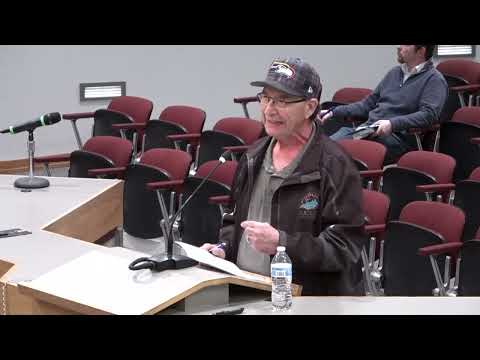
Dr. Michelle, executive director of the Upper Columbia United Tribes, told the Spokane City Council on Monday that tribal leaders are seeking coordinated regional action to reduce toxic pollution in the Upper Columbia watershed and to re-establish salmon runs above major dams.
The presentation summarized UCUT’s mission and recent grant awards and urged the council to consider a study session to discuss regional coordination. “Columbia River Toxics Reduction Lead NDE project will award over $5,000,000 to UCUT member tribes and the community stakeholders to reduce toxics in our region,” Dr. Michelle said.
Why it matters: UCUT represents five Plateau tribes and manages or influences millions of acres of tribal and aboriginal territory; tribal leaders say restoring fish and habitat would have cultural, ecological and economic benefits for the region.
In her remarks, Dr. Michelle framed salmon restoration as both cultural and ecological: “If we can get them back above those two facilities, get them up in those traditional spawning grounds in Canada, it’ll be better for all of us,” she said, referring to sites above Chief Joseph and Grand Coulee dams. She also cited an economic study UCUT posts on its website estimating hundreds of billions of dollars in ecosystem services annually, and contrasted that with hydro production revenue to make the case for balancing power production and ecosystem function.
Council response: Council members thanked UCUT for the briefing and discussed scheduling a study session so council members could ask detailed questions and staff could respond. The council did not take any formal action on the presentation during the meeting.
Background and details: Dr. Michelle described UCUT’s strategic planning changes and corrected the organization’s mission language to emphasize benefit for “all living creatures” rather than “people” alone. She listed recent cultural and educational fish releases in Chimney Creek, Haman Creek, the Little Spokane River and the Spokane mainstem and said releases have shown salmon can successfully spawn when returned upstream.
Next steps: The council indicated interest in setting a study session where UCUT could return with more technical details and staff could present options for city involvement or coordination. Dr. Michelle provided UCUT’s website, ucut.org, for further materials and invited follow-up contact.
Ending: The presentation concluded with council members expressing appreciation and asking staff to schedule a follow-up briefing so questions about funding, permitting and potential city roles could be addressed.