Saucon Valley board hears $60 million preliminary budget, flags $5 million shortfall and debate over $1M stop‑loss premium

Loading...

AI-Generated Content: All content on this page was generated by AI to highlight key points from the meeting. For complete details and context, we recommend watching the full video. so we can fix them.

Summary

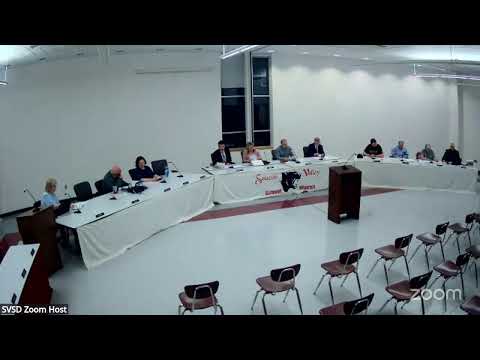
At the April 22 Saucon Valley School District meeting, business manager David Bonenberger presented a preliminary 2025–26 budget showing roughly $60 million in expenditures and an estimated $5 million shortfall; board members debated a roughly $1 million stop‑loss reinsurance premium and a one‑time $2.6 million VOTEC payment.

Saucon Valley School District officials on April 22 reviewed a preliminary 2025–26 budget that projects about $60 million in expenditures and roughly $55 million in revenues, producing an estimated $5 million shortfall before adjustments. Business manager David Bonenberger told the board the package includes a one‑time $2.6 million contribution toward the Bethlehem VOTEC expansion and rising health‑benefit costs.

Bonenberger said, "The 25‑26 budget, we're looking at a $60,000,000 expenditure, which is a 10.47% increase from last year to this year, and our revenue is only generating around 55,000,000 at this point. So it's showing about $5,000,000 deficit." He told the board the large line items driving the increase are salaries (about $23 million, up roughly $657,000) and benefits (about $16 million, up roughly $1.9 million), with most of the benefits growth tied to health insurance costs.

Why it matters: the board must adopt a preliminary budget at its May 13 meeting to meet the 30‑day public display requirement; final approval is scheduled in late June. Board members pressed administration for near‑term options to reduce the deficit before the preliminary adoption.

Key budget details and debate

• Health care and stop‑loss: Bonenberger said the district's projected total health‑care cost for 2025–26 is approximately $7.1 million (this figure bundles claims, administrative fees and stop‑loss premiums). The board discussed the district's stop‑loss (reinsurance) premium, which several speakers said is about $1 million annually. Board discussion focused on whether the district should continue buying expensive stop‑loss coverage, raise the deductible, seek a better market price, or assume more risk by self‑insuring without that reinsurance.

• Bethlehem VOTEC payment: The preliminary budget includes a one‑time $2.6 million amount connected to the VOTEC expansion project; Bonenberger and board members said removing that one‑time payment would materially reduce the headline deficit and that the district is considering funding it from fund balance rather than long‑term borrowing.

• Revenues and other drivers: Bonenberger reported local revenue (real estate and earned income tax) is relatively flat compared with the same point last year and that increases in charter‑school tuition, IU services, and certain transportation and special‑education costs also contribute to pressure on the budget. He said estimated increases in salaries reflect existing contracts and several planned new positions.

What board members asked and directed

Board members repeatedly asked administration to shop the stop‑loss market and return with proposals before the May 13 preliminary budget vote. Bonenberger said the broker had already sent inquiries to about 40 carriers and hoped to have market responses by May 9–13. On the VOTEC payment, board members noted that the $2.6 million is a one‑time sum and could be paid from fund balance rather than financed, reducing debt service.

Several board members emphasized financial caution given an uncertain economic outlook and declining enrollment. One board member said, "I'm not in favor of tax increases this year," and urged postponing nonessential expenditures. Another asked administration to provide clearer line‑by‑line allocations and to highlight which costs are one‑time versus recurring.

Votes at a glance

The board approved routine items related to finance during the meeting. Motions recorded in the meeting packet and approved at or shortly after the budget presentation included: approval of the agenda (approved), approval of minutes from April 8 (approved), presentation of bills (approved), treasurer's report (approved), acceptance of the memorandum of understanding with ESSA (approved), approval of five grouped personnel items including substitutes, resignations and summer IEP writer (approved), approval of surplus/obsolete items (approved), and two finance items (Bethlehem VOTEC budget item and the general health care resources education agreement) (both approved). The motions were passed by voice vote; individual roll‑call tallies were not specified in the transcript.

Next steps

Bonenberger told the board the district must adopt a preliminary budget at the May 13 meeting to begin the required 30‑day public display. He said tweaks may be made after that adoption but cautioned against substantive last‑minute changes. Board members asked administration to return with market responses on stop‑loss pricing and alternatives before the May 13 vote.

Ending note

Board members and staff highlighted several levers to address the headline shortfall—removing the one‑time VOTEC payment from the operating budget, negotiating or rebidding health coverage, and reexamining nonessential, one‑time purchases—while recognizing many costs (contractual salaries, special‑education placements) are not immediately reducible.