Get Full Government Meeting Transcripts, Videos, & Alerts Forever!
Get email alerts on the Transportation And Streets topic
No spam. Unsubscribe anytime.
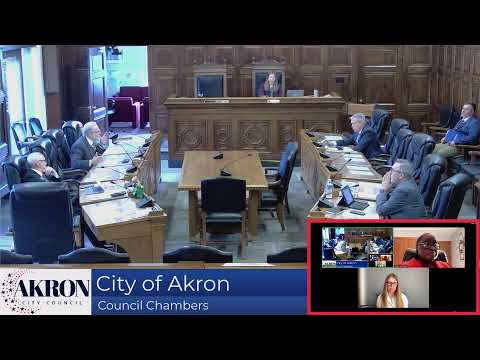
Council clears $18 million North Main safety overhaul, approves assessments process; vote 4–1
Summary
The Public Service Committee voted to place on consent a resolution of necessity for an $18 million safety and reconstruction project on North Main Street, with estimated assessments of about $300,000 to affected property owners.
The Public Service Committee voted to place on the consent agenda a resolution of necessity to improve North Main Street between Martin Luther King Boulevard and the city’s northern corporate limit. Service Department staff described the work as a safety-driven resurfacing and reconstruction project with a total program budget of about $18,000,000 and an estimated $300,000 in assessments for affected property owners.
“Passing of this legislation will allow us to send the affected property owners an estimate of what their improvements will be for the assessment,” said Chris Lotto, the city’s director of public service, describing the formal assessment-notice process and the timeline for hearings and final invoices.
City traffic staff told the committee the corridor is one of the highest crash locations in the city and the AMATS region and recommended a road diet: reduce two through lanes in each direction to one lane each with a center turn lane and add protected bike lanes and other safety features. “This is the most dangerous street in terms of crash frequency in the city and the fourth in AMATS’s territory,” a city traffic analyst said, adding that national and state guidance recommends the road-diet treatment for corridors with high crash rates and under 20,000 vehicles per day. The staff presentation cited expected crash reductions of roughly 20% to 45% overall for the treatment and pointed to a 42% reduction on a similar project (Tallmadge) as a local example.
Lotto and staff described the project schedule: Enbridge (gas) work is underway independently; the city’s OPWC-funded work will start after July 1, with water-main work put in first and major roadway, curb, sidewalk and lighting work expected the next construction season. The project will extend into 2027, with a one‑year warranty period after construction (closing out in 2028). After closeout, affected owners will receive final invoices; property owners may pay assessments up to 10 years.
“Out of the $18,000,000 the assessments for all the property owners is just about 300,000,” Lotto said, explaining the assessment-notice and equalization board process and the option for hearings.
Council debate mixed safety support and concerns about traffic diversion. Councilman Lombardo, who voted against placing the item on consent, said he worried about cut‑through traffic in adjacent neighborhoods and favored increased enforcement or speed remediation measures instead of lane reductions. Other council members cited prior local road‑diet projects and data showing crash reductions and urged passage to secure time‑sensitive funding. The committee voted 4–1 on the motion to place the resolution on consent (Kammer, McKittrick, DeShazier and Bolden voted aye; Lombardo voted nay).
Staff noted the project received multiple bids, will follow ODOT standards for contracting, and that only about 3% of the total project cost is estimated to be assessed to property owners. The committee recommended suspension of rules and placement on the city council consent agenda for final action.