Get Full Government Meeting Transcripts, Videos, & Alerts Forever!
Get email alerts on the Grading Policy Ika topic
No spam. Unsubscribe anytime.
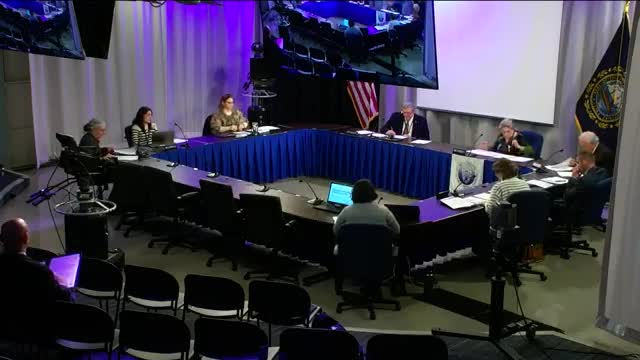
Board hears first reading of grading policy IKA; Salem High team outlines rubric-based pilot and stakeholder outreach
Summary
The board received a first reading of proposed updates to Policy IKA (grading systems), heard presentations from Salem High staff about a rubric-based scoring pilot used by 52 teachers, and approved a plan for wider staff, student and parent feedback before any final action.
The Salem School Board on April 15 received a first reading of Policy IKA, which would update the district’s grading-system language for grades 9–12 and describe use of rubric-based scoring and a 4-point competency conversion at the high school level.
Assistant Superintendent for Academics and Support Angela Markley framed the item as a first reading and asked for board feedback. She said the draft “focus[es] primarily on the high school portion” and that it is intended to reflect how assignment rubrics, competency scores and weighted calculations produce a final grade. Markley noted the policy would translate final grades to a 4-point scale earlier in the calculation process than the district historically has done.
Salem High staff members provided a follow-up presentation and described work starting in January by a team meeting weekly on scoring and assessment. Humanities Director Steven Goyette told the board the proposal aligns with competency-based assessment language in state rules (citing ED 306 and RSA 193) and that regional practice varies: some nearby high schools use rubric-based grading and a 4-point scale while others retain percentage final grades.
Director of School Counseling Nicole Burke explained how the high school communicates grading and GPA to colleges. Burke said: “Every year we update what's called the Salem High School profile. All high schools are doing that. We post it online and that is part of the package that goes out to every college and university that a student is applying to.” She said colleges typically recalculate GPAs to their own standards but rely on the high-school profile and transcript legend to interpret grades.
Trustees raised concerns about timing, stakeholder outreach and potential confusion. Board member Bernard Campbell said he remained “a skeptic for the moment” and urged more broad vetting beyond the 52 pilot teachers. Kelly Moss asked whether changes might reduce summer-window projects tied to grading and whether supplies reductions would shift costs to families; staff replied the proposed 10% reduction in supplies would not require parents to supply basic classroom necessities.
The high school team outlined the next steps: staff will present the grading recommendations to all teachers on April 17 and distribute a questionnaire; principal-led student focus groups (three to five advisories per grade) will be held after spring break; and the district will solicit parent feedback and report results to the board. Staff said they expect to return to the board with survey results by May and to provide a proposed implementation timeline; trustees requested a timeline and additional stakeholder materials before any final vote.
Because the draft is a first reading, there was no board vote on the policy. Board members said they want continued outreach to teachers, students and parents and asked staff to consider explicitly including weighted GPA language for honors and AP courses in future drafts.