Get Full Government Meeting Transcripts, Videos, & Alerts Forever!
Get email alerts on the Budget Cip topic
No spam. Unsubscribe anytime.
Board tentatively approves FY26 CIP; debate centers on House of Refuge, fire station funding and parks master-plan timing
Summary
During a multi-hour capital improvement plan workshop, commissioners tentatively approved the FY26 CIP (first-year projects) after extensive presentations from departments. The session included votes to tentatively adopt department CIP sheets and several recorded dissenting votes over priorities and timing.
At a lengthy workshop on April 22, the Martin County Board of County Commissioners tentatively approved the fiscal year 2026 capital improvement plan (CIP) as the basis for the tentative annual budget, while signaling there will be further review during the budget process. The workshop reviewed departmental capital requests, fixed-asset replacement budgets, and a 10-year plan. The board gave tentative approval to most departmental CIP sheets while several items prompted close debate and recorded dissents.
Shelby Baker, budget/CIP coordinator, summarized the countywide CIP and said the plan identifies projects for the subsequent 10-year period and that projects in year one will be included in the tentative FY26 budget. The countywide CIP presentation noted an approximately $5.1 million ad-valorem increase in the FY26 CIP overall compared with FY25 and described high-priority projects across departments including parks, utilities, stormwater, public buildings and public safety.
Key debates and votes during the workshop:
- House of Refuge funding and contract: A separate board action (see House of Refuge article) and public comments from the Historical Society and volunteers preceded the CIP discussion. Several commissioners supported allocating funds in the CIP to preserve the landmark; others sought better documentation and fundraising plans before committing county ad-valorem dollars.
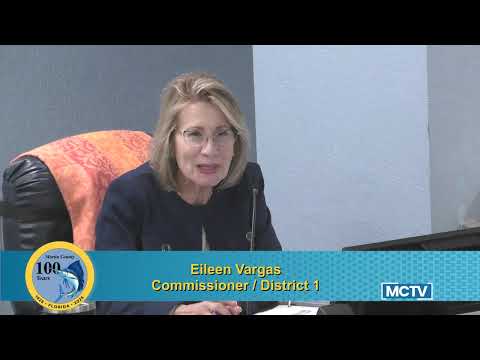
- Fire rescue and logistics funding: The Martin County Sheriffs Office and Fire Rescue presented needs including a priority "fuel depot" replacement, proposed firearms training/shoot-house and a logistics center to replace aging storage and workshop facilities. Commissioners recorded a 4to1 tentative approval for law enforcement facilities and equipment with Commissioner Vargas dissenting. The dissent related to prioritization and expenditure at a time of competing needs.
- Parks and recreation: The board tentatively approved parks CIP sheets overall, but Commissioner Heather Hetherington voted no on the parks package because she objected to a specific new Pineapple Park pickleball-complex master-plan allocation being included before the county had adopted a department master plan. Commissioners agreed to bring a formal parks master plan for adoption later and to revisit the timing of specific new facilities.
- Public buildings and House of Refuge: The public buildings CIP passed but drew dissent from Commissioner Vargas, who argued for stricter budget scrutiny and questioned some reallocation of FARB monies into projects such as the Jensen Beach café and restrooms that had experienced a fire.
- Western Palm City fire station debate: Several residents and commissioners emphasized a need for better emergency response coverage in western Palm City; commissioners differed on whether proposed new stations are primarily a consequence of past growth decisions or a pressing safety need. The board did not finalize station construction authorization at this meeting but directed staff to continue planning and prioritize projects where required.
The board took separate tentative approvals on departmental CIP sections (airport, libraries, law enforcement, public buildings, parks, public works sections, utilities, solid waste, etc.). Most passed by unanimous or large-majority consent; where dissenting votes were recorded they were captured in the departmental roll calls (for example: law enforcement CIP passed 4to1 with Commissioner Vargas dissenting; parks CIP passed 4to1 with Commissioner Hetherington dissenting; public buildings passed 3to2 with Vargas dissenting).
Baker and department heads reminded commissioners that the FY26 CIP is a planning and budgeting input and that final project funding and schedules will be refined in July and September budget hearings. Several commissioners asked for more information on FARB methodologies and suggested staff compile asset-level life-cycle data for future budget work.