Get Full Government Meeting Transcripts, Videos, & Alerts Forever!
Get email alerts on the School Transportation topic
No spam. Unsubscribe anytime.
Board weighs complex options for school bus contracts: insurance, compensation and parent‑responsibility zones
Summary
Board members, transportation staff and contractors debated a proposed bus contract that would shift insurance responsibility to contractors with a $4,000 per‑bus stipend, consider a $10,000 first‑year increase in contractor pay and examine parent‑responsibility zone scenarios that could reduce routes and costs.
Rutherford County Board members, district transportation staff and representatives of contracted bus operators spent extensive meeting time discussing a proposed multi‑year bus contract that addresses three linked issues: bus insurance, contractor compensation and possible parent‑responsibility zones (PRZs) that would reduce the number of contracted routes.
Transportation director (Mr.) Lee presented modeling of PRZ options and route counts: a half‑mile PRZ would remove roughly 3 routes (without Title I exceptions) at an estimated recurring cost reduction of roughly $210,000 (4 buses, $280,000 if Title I schools were included). A one‑mile PRZ for all grades was estimated to remove about 15 routes with an annual savings near $1.05 million; a mixed 1.0‑mile (K–5) / 1.5‑mile (6–12) policy would eliminate about 33 routes for a projected $2.31 million in savings (44 routes and $3.08 million if Title I routes were included). Lee cautioned the figures would be finalized after route building closer to the school year.
Insurance emerged as a constraining factor. County risk management issued an insurance request for proposal (RFP) based on the then‑current statute and received a single response (Princeton), which declined to provide coverage for privately owned contractor buses. Meeting legal counsel described the statutory landscape: a recent law change created uncertainty about whether counties could provide coverage; risk management said it could not obtain county‑wide coverage for contractor buses in time for July 1. To bridge the gap, the draft contract includes a $4,000 per‑bus stipend to help contractors obtain required insurance for the 2025‑26 school year. Board staff said the stipend was derived from market quotes; contractors’ counsel said the stipend and contract indemnities still leave too much personal and business exposure for many contractor clients.
Compensation was the third major point. The draft presented to contractors proposes a $10,000 increase in year one (a roughly 10% increase on some contracts) and 2.5% annual increases thereafter as a placeholder; board staff said the number can be changed before final approval. Contractor representatives said the board’s draft was still insufficient; organization counsel said the contractor association originally sought a 35% increase and had moved to a 30% request in negotiations and that, as presented, many contractors would not sign the contract in July.
Board members discussed tradeoffs: reduce routes (PRZ) to free funds for higher per‑route compensation; ask the county commission for additional local funding (including suggestions such as a wheel tax); or accept a temporary stipend and revisit county insurance procurement for future years. Transportation staff and risk management said they would pursue further procurement options but that a July 1 operational solution required time for contractors to obtain private coverage. The board’s final vote on a contract and any PRZ policy was not recorded in the transcript.
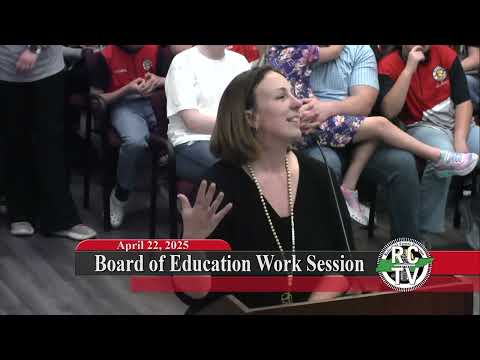
Public comment included multiple bus drivers and small contractors appealing to the board to preserve contractor livelihoods and the county’s century‑long contracting tradition. Tasha Brooks, who identified herself as an eight‑year driver, described a family history of contracting in Rutherford County and urged the board to "pay your contractors what they're worth". Contractor counsel, speaking for about 70% of contractors, said the group would not sign the draft contract as written and urged continued negotiations.
No final contract action was recorded in the transcript; staff and counsel framed the options and proposed follow‑up tasks: (1) present final route and seat impact numbers to the board, (2) continue insurance and procurement efforts with risk management, and (3) refine compensation proposals ahead of the board’s next vote and any budget submission to the county commission.