Get Full Government Meeting Transcripts, Videos, & Alerts Forever!
Get email alerts on the Charter Schools topic
No spam. Unsubscribe anytime.
Charter review panel recommends denying two new charter school applications in Rutherford County
Summary
The Charter Application Review Committee recommended denial of initial applications from Novus Smart Academy K–8 and Rocketship TN4, citing weaknesses in academics, operations and finance and low community support. The board must vote within the statutory 90‑day window or the applications are deemed approved.
A district review committee recommended that the Rutherford County Board of Education deny the initial charter applications from Novus Smart Academy (K–8) and Rocketship TN4, citing academic, operational and financial shortcomings and low community support.
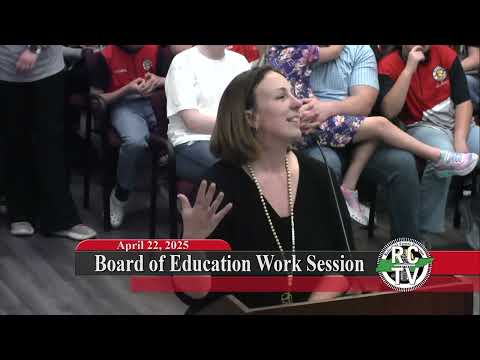
The Charter Application Review Committee, represented at the board meeting by Dr. Jeff McCann, presented a written report and summary of a 90‑day review process. "We recommend denial of the initial application because we determined that they failed to meet or exceed the criteria in all 3 of their areas: academics, operations and finance," McCann said. He reminded the board the local deadline to act falls within a 90‑day statutory window; if the board does not vote, the applications are automatically deemed approved under state law.
The committee found specific concerns with Novus Smart Academy’s plan for science and social studies instructional time, its special‑populations services (including use of outdated ELL terminology and gaps in gifted and psychological services), a single person holding executive director and principal duties, uncertain facility funding, and a transportation budget that may undercount likely ridership. The report also flagged what it described as a lack of community support: a committee survey showed 82% of respondents did not support Novus’s approval. McCann said the committee estimated the year‑one fiscal impact of Novus at approximately $1.97 million in state and local funds.
For Rocketship TN4, the committee cited a partly departmentalized schedule that the review panel said limits daily science and social studies instructional minutes; ELL plan errors; concerns about leadership qualification requirements in the application; variable success rates in Rocketship’s existing portfolio that fall short of local district averages in some subjects; and community survey results showing 80% of respondents did not support the Rocketship application. The committee estimated Rocketship’s year‑one fiscal impact at about $2.47 million.
McCann described process options for the board: approve, deny with stated reasons (which would allow applicants to submit an amended application within 30 days), or deny outright. He also noted that applicants may appeal denials to the state Charter Commission. Board members asked follow‑up questions about Building Hope (a charter support organization referenced by Novus), facility renovation costs (including the state’s storm shelter requirement for converted facilities), and the potential fiscal effect on existing charter schools if two more open in the same north‑county area. "If you add two additional charter schools to that end of the county, not only are they going to struggle to meet their enrollment projections, but how is that going to affect the two that we're trying to get up and running correctly now?" Board member Stan Vaught said.
The committee also summarized survey results about charter schools more broadly: 76% of respondents said they do not support charter schools as a viable option for families in Rutherford County, with 19% supporting and 5% undecided. McCann closed by reminding the board that any application the board approves becomes part of a binding agreement and that the board would be legally responsible for contractual terms and for monitoring charter performance.
Board action on the applications was not recorded in the provided transcript; the committee’s recommendations were presented for the board’s consideration and the report memorialized the committee’s major findings and the financial projections for potential fiscal impact.