Get Full Government Meeting Transcripts, Videos, & Alerts Forever!
Get email alerts on the Skill Competitions topic
No spam. Unsubscribe anytime.
Proposed skill‑competitions bill H 4129 aims to protect tournaments and small businesses; critics warn of loopholes
Summary
H 4129, a bill intended to clarify that fishing tournaments, pinball and other contests are games of skill, drew support from tournament organizers and small businesses. Critics and some lawmakers said the bill’s wording could create unintended loopholes that expand legal gambling online or allow backdoor wagering.
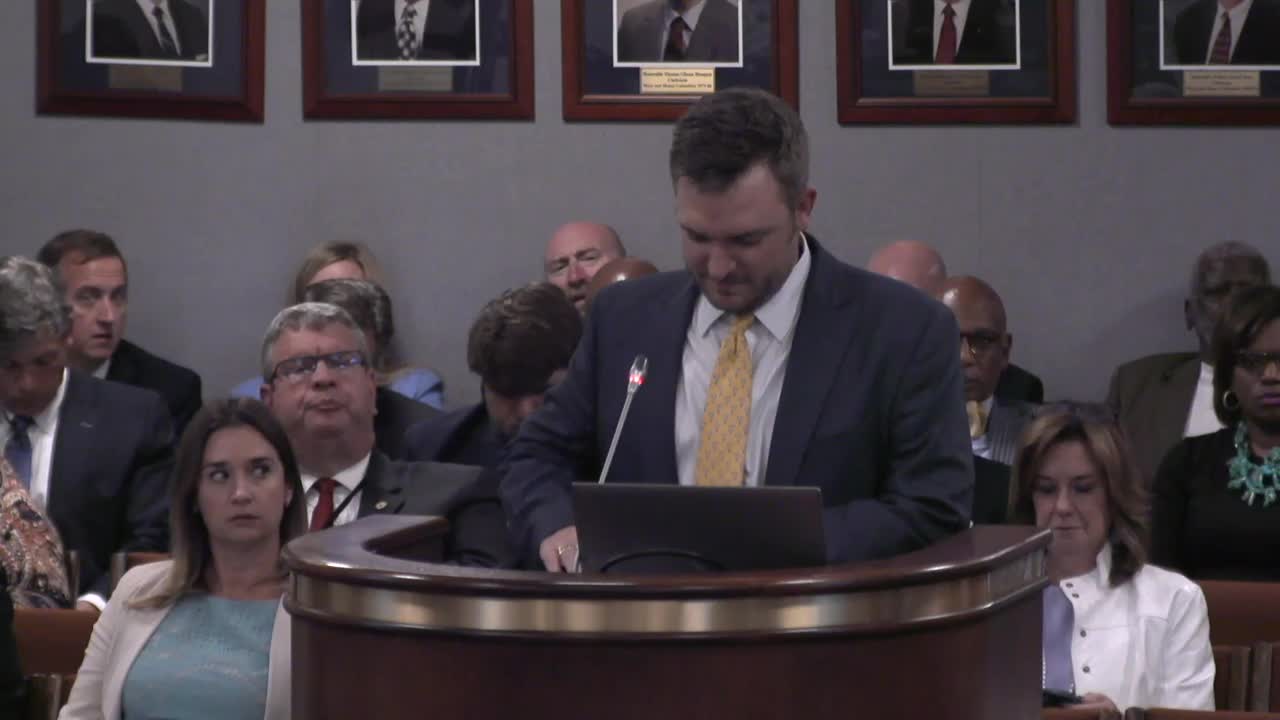
A subcommittee hearing on H 4129 drew testimony from fishing‑tournament organizers, small business owners and industry representatives who said the bill is necessary to preserve entry‑fee contests that they characterize as games of skill. Supporters said recent court language threatened to classify common contests — from bass fishing tournaments to pinball and corn‑hole events — as illegal gambling.
Geddes Brannon, speaking for sponsors, warned that a recent court of appeals opinion could be read to make bass fishing tournaments illegal if entry fees and prizes are at stake. Brannon said that would jeopardize events that bring tourism and millions in local spending; he cited Bassmaster Classic events and returns to Anderson county totaling millions in visitor spending.
Small business owners spoke about the revenue they received from skill‑based amusement games before state enforcement removed them. Wilson Raines, owner of LG’s by the Creek in Berkeley County, said the games helped offset thin restaurant margins and higher insurance costs and asked lawmakers to “stop law enforcement from making the laws that responsibility [belongs] to you.” Rick Tapp and others also supported statutory clarity to restore the distinction between games of skill and chance.
Several legislators and other witnesses cautioned that broad or vague drafting could create unintended consequences. Representative McCravy said the bill’s language (which uses tests such as whether “skill predominates”) could open a backdoor for new forms of online wagering or permit devices that rely on skill to pass as legal gambling. He urged tighter drafting to avoid future enforcement and public‑health problems.
The committee took testimony and said staff will review proposed amendments; no vote was held during the hearing.