Get Full Government Meeting Transcripts, Videos, & Alerts Forever!
Get email alerts on the Public Safety And Facilities topic
No spam. Unsubscribe anytime.
Committee considers gun‑free policy, signage and courtroom status for county meeting rooms
Summary
The committee discussed adopting a firearms‑restriction policy and signage for two committee rooms and the commission room that are used as alternate courtrooms. Members cited state code language that ties courtroom firearm prohibitions to security measures and said they will draft language for legal review.
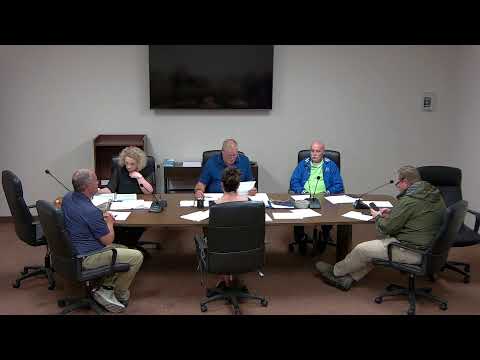
Coffee County’s Policy and Procedures Committee discussed whether to adopt a firearms prohibition for two committee rooms and the commission room after county staff and the sheriff raised concerns about security when those rooms are used as alternate courtrooms or for grand juries.
Commissioner Frank Watkins walked members through state code language the committee must consider and stressed that signage and security requirements are prescribed by statute. "It even gets to the point of how big the letters are, the the the the symbols, everything," he said. The meeting transcript cites "PCA code 39 17 13 59" and a related section described in the discussion as "39 17 13 oh 6," which committee members read as the statute that governs firearms in courtrooms and related spaces.
Speakers noted that when those rooms are used for judicial proceedings they are treated as courtrooms and therefore fall under courtroom firearms restrictions whether or not proceedings are underway. The statute language discussed in the meeting includes provisions about using metal detectors or having law enforcement or trained security conduct inspections at public entrances if a government entity seeks to declare a government building a gun‑free zone under certain conditions.
Committee members did not adopt a final policy. They asked staff to draft a proposed policy and signage consistent with the statute and to have the county attorney review the draft before it returns to the committee. The discussion also noted operational questions: whether signs alone would be adequate for ordinary committee meetings, how jury trials and grand juries have been accommodated in the past, and who would supply and staff any security screening required during judicial proceedings.
The committee's immediate direction was to draft a policy that identifies the three rooms as alternate courtrooms when used for judicial purposes, add statutory signage language and forward the draft to the county attorney and the county's legal reviewer for vetting. No vote was taken at this meeting.