Get Full Government Meeting Transcripts, Videos, & Alerts Forever!
Get email alerts on the Education Outreach topic
No spam. Unsubscribe anytime.
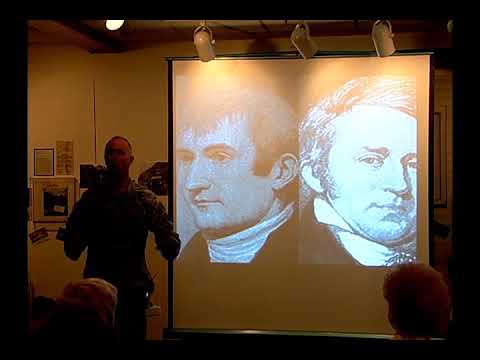
Sergeant First Class Kelly presents Lewis and Clark program in Missoula
Summary
Sergeant First Class Kelly of Fort Harrison led an interactive Lewis and Clark presentation in Missoula, demonstrating expedition artifacts, recounting field episodes, and offering the program to local schools and museums.
At a public presentation in Missoula (date not specified), Sergeant First Class Kelly of Fort Harrison led an interactive lecture and demonstration on the Lewis and Clark Expedition, showing replica artifacts and inviting audience participation.
The program combined a short lecture, a hands-on artifact display and a question-and-answer session. Kelly said the presentation is offered to schools and museums across Montana and described components of the Corps of Discovery expedition—supplies, maps, journals and encounters with Native nations—to give local students a soldier’s perspective on the trip.
Kelly, who identified himself as a member of the Montana National Guard, described the program’s reach and format and moved through a series of demonstrations. He displayed a haversack and powder horn, a replica sextant and spyglass, examples of preserved portable soup and animal fat used for insect repellent, and “peace medals” intended as diplomatic gifts. He narrated episodes from the expedition, including the portage around the Great Falls, the split at Travelers Rest and encounters with the Nez Perce and other tribes, and noted figures who traveled with Lewis and Clark such as George Shannon, John Colter and Sacagawea. Volunteer participant George Juilliard assisted with handing out artifacts and demonstrated sign-language communication described in the historical record.
The presentation included audience quizzes and opportunities for children and adults to handle replica tools. Kelly spoke about the expedition’s logistical details—keelboat length and oar counts, portaging techniques, and the use of sextants and almanacs to determine position—and described how members documented plants and animals in journals for scientists back east. He also discussed how the expedition relied on information from tribes such as the Hidatsa and Mandan when moving west of Fort Mandan.
Audience members asked about specific episodes and individuals; Kelly addressed questions about Sacagawea’s role, the fate of Lewis’s dog Seaman, and whether the party had prior maps for much of the route. He explained the limits of the contemporaneous maps and emphasized that Lewis gathered local intelligence from Native nations as the expedition progressed. Kelly said the presentation is adaptable for a range of ages and that organizers will provide take-home materials for teachers.
The session closed with a short question-and-answer period and items for attendees to take home. Kelly noted the program is available to schools and that his outreach work is scheduled to end on September 30 (as he stated during the presentation).