Get Full Government Meeting Transcripts, Videos, & Alerts Forever!
Get email alerts on the Municipal Finance Insurance topic
No spam. Unsubscribe anytime.
Town staff warns of health-insurance risk pool dissolution; town exploring direct contracts
Summary
Select Board received an update that the New Hampshire Interlocal Trust risk pool is dissolving June 30; town staff said they are pursuing direct contracts with carriers and working to avoid immediate large rate increases.
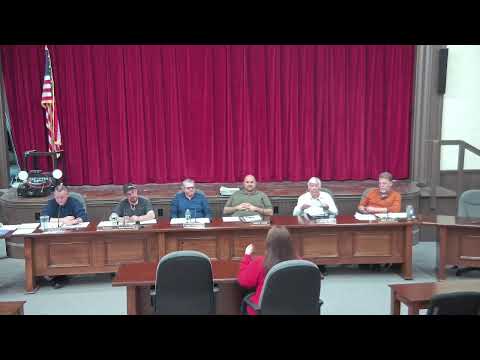
Alton staff told the Select Board on April 22 that the New Hampshire Interlocal Trust (NHIT), the town’s health-insurance risk pool, is dissolving effective June 30 and that member communities must find alternative coverage.
A staff member briefed the board: "Our risk pool is now going under, effective June 30," the staff member said, explaining that NHIT’s board had initially budgeted for an 8 percent increase while claims trended near 19 percent, prompting NHIT to propose rate increases that some members could not absorb. That projection triggered withdrawals from the pool and, ultimately, the decision to dissolve.
The staff member told the board the town is pursuing direct contracts with carriers — including attempts to continue with Harvard Pilgrim temporarily — and has been referred to brokers and agents. The town’s current health-insurance budget is roughly $1.3 million; staff said sudden increases of 19 percent or more would create major fiscal pressure.
The update was informational; no formal board vote was required. Staff committed to return to the board with rate quotes and options at the next meeting. The staff member said they hoped to secure rates through Jan. 1, 2026, if possible, and that budgeting implications would reappear during the regular fiscal-year process.
The memo and public discussion included outreach to department heads and employees to keep them informed of the situation.