Get Full Government Meeting Transcripts, Videos, & Alerts Forever!
Get email alerts on the Local Taxation topic
No spam. Unsubscribe anytime.
Stonecrest commissioners weigh millage-cap referendum, compare neighboring cities
Summary
Commissioners debated adding a millage-rate cap in the city charter that would require a voter referendum to raise the cap, and discussed how state House Bill 581 (the annual inflation opt-in/opt-out) interacts with that choice.
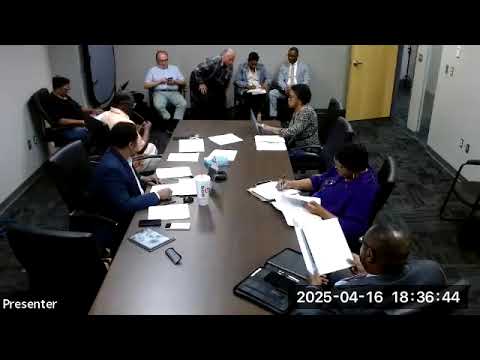
Stonecrest Charter Review Commission members discussed whether to include a millage-rate cap in the city charter that would require a citizen referendum to increase the city's allowed millage above the cap. Commissioners compared Stonecrest to nearby cities and discussed the interaction with state legislation, including House Bill 581, and the city’s current tax position.
The discussion focused on two proposals: (1) adopt an explicit millage cap in the charter and require the city council to pass a resolution to place any increase before voters in a referendum; or (2) leave the matter to home-rule authority so the council could raise the millage without a referendum. A commissioner summarized comparative research showing Dunwoody’s cap at 3.01 mills and Brookhaven’s cap at 3.35 mills, adding that such caps typically exclude special bond referenda and adjustments tied to services taken over from the county. Armando (staff member) said he obtained those charters from Municode: “I went to Municode and looked up those city charters,” he said, noting the documents are publicly available online.
Commissioners and public commenters discussed tradeoffs. Supporters of a charter cap said a mandatory referendum would give residents a direct voice before the council raised the tax rate beyond a set limit. One commissioner said that requiring voter approval “keeps some of that control in the hands of the city” and would prevent the council from unilaterally raising taxes. Opponents warned a cap could limit Stonecrest’s flexibility to raise revenue compared with neighboring cities that have higher or no caps; one participant noted that Brookhaven might be better positioned to fund public services such as roads and police because of fewer constraints.
The commission also discussed House Bill 581, the state measure that allows cities to “opt in” to an annual inflation-based cap on tax increases. Commissioners confirmed Stonecrest has opted out of HB 581 and that the opt-in or opt-out decision must be revisited periodically. A commissioner explained that opting into HB 581 limits increases to a rate tied to inflation, which some see as additional homeowner protection; others countered that HB 581 can carry legislative tradeoffs, such as differential access to state incentives.
Commissioners noted the current local millage figures discussed during the meeting: a cited current city millage of 1.25 mills, a homestead exemption that effectively lowers the city portion to about 0.25 mills, and a referenced cap of 3.35 mills (context: comparison figure). Commissioners emphasized that the cap discussed would apply only to the city’s own millage above services assumed from DeKalb County and would not apply to bond referenda or the county/school millage.
The commission agreed to continue the discussion and to consider drafting specific charter language and redlines for inclusion in a shared draft. The chair said the commission will circulate proposed revisions and work toward a draft suitable for the legislature’s review before the next legislative session.
The discussion was purely deliberative; no vote on charter language occurred at this meeting.