Get Full Government Meeting Transcripts, Videos, & Alerts Forever!
Get email alerts on the Building Maintenance topic
No spam. Unsubscribe anytime.
Vendor warns courthouse rising-moisture risk, offers free inspection
Summary
A vendor specializing in rising damp and masonry moisture control described risks to older courthouses and offered Benton County a free inspection after demonstrating a moisture meter at the meeting.
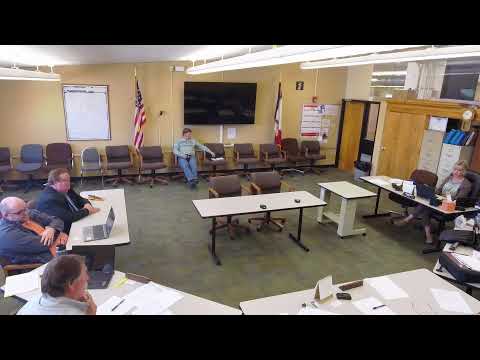
During public comment at the Benton County Board of Supervisors meeting, a vendor who installs rising-moisture control systems for historic buildings described how capillary action and salts can damage masonry and offered a no-cost inspection of the courthouse foundation and walls.
The presenter demonstrated a hand-held hydrometer-style instrument and explained readings: “Any read that we get that's below 70, the wall is dry. Anything above a hundred, you've got excess water in the walls,” he said while holding the meter to masonry during the meeting.
The vendor said his company has installed systems in more than 100 buildings across neighboring states and about 15 percent of courthouses in Iowa, offered to provide a written inspection report with photos at no cost and said the system requires no electricity or routine maintenance. “If I can have your permission to go with this gentleman over to the building to do a inspection, I'll do that,” he said, adding the inspection would be free.
County staff present noted the maintenance contact in the room and said they would coordinate the referral. The item was a public comment and not a county procurement or authorization; the board did not take formal action beyond acknowledging the offer and saying staff should follow up if a site visit is appropriate.
Why this matters: Older masonry buildings can sustain progressive damage from rising moisture that leads to salt migration and erosion of mortar and stone faces. A free inspection could help the county identify moisture issues before repair costs grow, but any remedial work would still require staff review and formal procurement if the county proceeds.