Get Full Government Meeting Transcripts, Videos, & Alerts Forever!
Get email alerts on the Housing topic
No spam. Unsubscribe anytime.
Calimesa council approves first reading to replace mobile home rent board with hearing officer; residents voice concerns
Summary
The council introduced and approved the first reading of an ordinance that replaces the mobile home rent stabilization board with a hearing officer process, keeping city council as the appeal body. Residents of a local mobile home park expressed concern about owner pass-through charges and loss of resident representation.
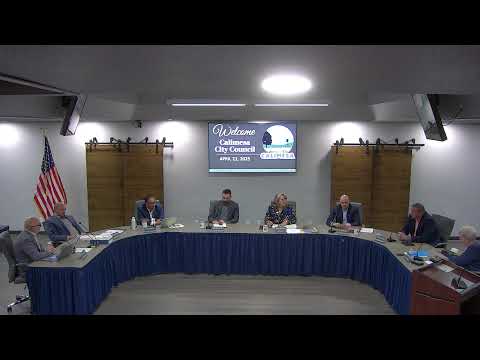
The Calimesa City Council on April 21 introduced and adopted by title the first reading of Ordinance No. 410, which replaces the city's Mobile Home Rent Stabilization Board process with an appointed hearing officer process and repeals related board provisions in the municipal code.
Staff told the council the change responds to difficulties in maintaining a full five-member board (the city has not had a complete board since about 2015) and the technical complexity of cases. The council directed an RFP for hearing-officer services; staff said proposals were due May 1 by 2 p.m. and that a second reading of the ordinance is planned for the May 5 council meeting. Staff said the ordinance’s effective date will be 30 days after the second reading.
Under the draft ordinance, the hearing officer would hold evidentiary hearings and render decisions; either party may appeal the hearing officer’s decision to the city council, leaving the council as the appellate body.
Several residents from the Californian mobile home park spoke during public comment and during the ordinance discussion. Donna Johnson and Elizabeth Bishop said they reviewed the owner’s 68-page submittal and alleged it includes invoices dated before the owner's purchase and other claimed pass-through charges they oppose; they urged the council to “do your homework” and protect residents, especially seniors, from displacement. Heather, another resident, said residents have been denied full access to records and that the park pool has been closed in violation of common-area rules.
Councilmembers asked staff how long the board had been incomplete; staff said since about February 2015. Councilmembers discussed the practical advantages of a professional hearing officer—often an attorney or retired judge—who can process technically complex matters and act as an unbiased decision maker. Staff noted administrative rules to implement the ordinance will return for council consideration after ordinance adoption.
One councilmember said they opposed moving forward at that time, citing concerns that residents’ voices could be diminished; other councilmembers said residents retain rights to submit evidence, attend hearings and appeal hearing-officer decisions to the council. The motion to adopt the ordinance on first reading passed 5–0.
Staff advised residents to begin collecting evidence for the administrative record; staff said any evidence submitted by residents and by the park owner will be part of the hearing record. Staff also stated that fiscal impacts will be known after responses to the RFP are received; funding for hearing-officer services would come from accumulated fee revenues tied to the program.
Staff said the city’s mobile-home attorney (Amy Grayson, named during discussion) will continue to represent the city on these matters. The ordinance will be returned for second reading on May 5, with administrative rules to follow.