Get Full Government Meeting Transcripts, Videos, & Alerts Forever!
Get email alerts on the Mining Taxation topic
No spam. Unsubscribe anytime.
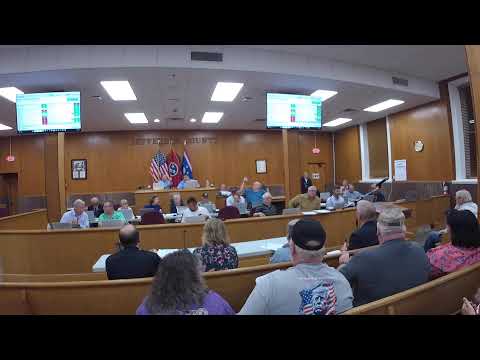
Commission rejects proposed mineral severance tax after mining industry testimony
Summary
A resolution to levy a mineral severance tax in Jefferson County failed after testimony from mining operators and contractors about local jobs and narrow margins. The measure failed by recorded vote.
Jefferson County commissioners declined to adopt a proposed mineral severance tax after industry representatives and residents warned the tax could force the local zinc-mining operation to cut output or send workers home.
The resolution would have imposed a county-level tax on sand, gravel, sandstone, chert and limestone severed from the ground in Jefferson County. Mining executives and local contractors told the commission the county’s mines operate on narrow profit margins and that a new tax could threaten local jobs and supporting businesses, including a trucking fleet that hauls mined material.
NearStar Mines and job-site representatives testified that the domestic zinc-mining and processing chain in the region provides hundreds of jobs; one employee said the site employs more than 500 people across East Tennessee operations. A representative from Walker Trucking said about 40 of the company’s 75 trucks are dedicated to hauling from the local mine; he said a shutdown would affect those drivers and local subcontractors.
Commission discussion focused on whether the proposed tax would apply to the mined zinc byproduct or only to rock and crushed stone sold commercially. Commissioners and speakers clarified that the resolution’s language specifically targeted sand, gravel, sandstone, chert and limestone “severed from the ground” in Jefferson County, which would capture the rock byproduct of mining operations sold into the commercial market.
Proponents of the tax argued it would raise revenue for county roads and other capital needs; opponents argued that the tax would simply push costs onto operations that already face low margins and could lead to reductions in local employment.
When the commission called the question, the resolution failed on the record: 6 voted in favor, 12 opposed. The measure therefore did not pass.