Get Full Government Meeting Transcripts, Videos, & Alerts Forever!
Get email alerts on the Registries Of Probate topic
No spam. Unsubscribe anytime.
Judges, registers ask Legislature to codify new registry positions to speed probate work
Summary
Chief Justice John Casey and registers of probate told the Joint Committee that recent statutory and staffing changes helped reduce delays in probate business and asked lawmakers to amend statute to codify higher‑level registry positions created and funded through the trial court budget.
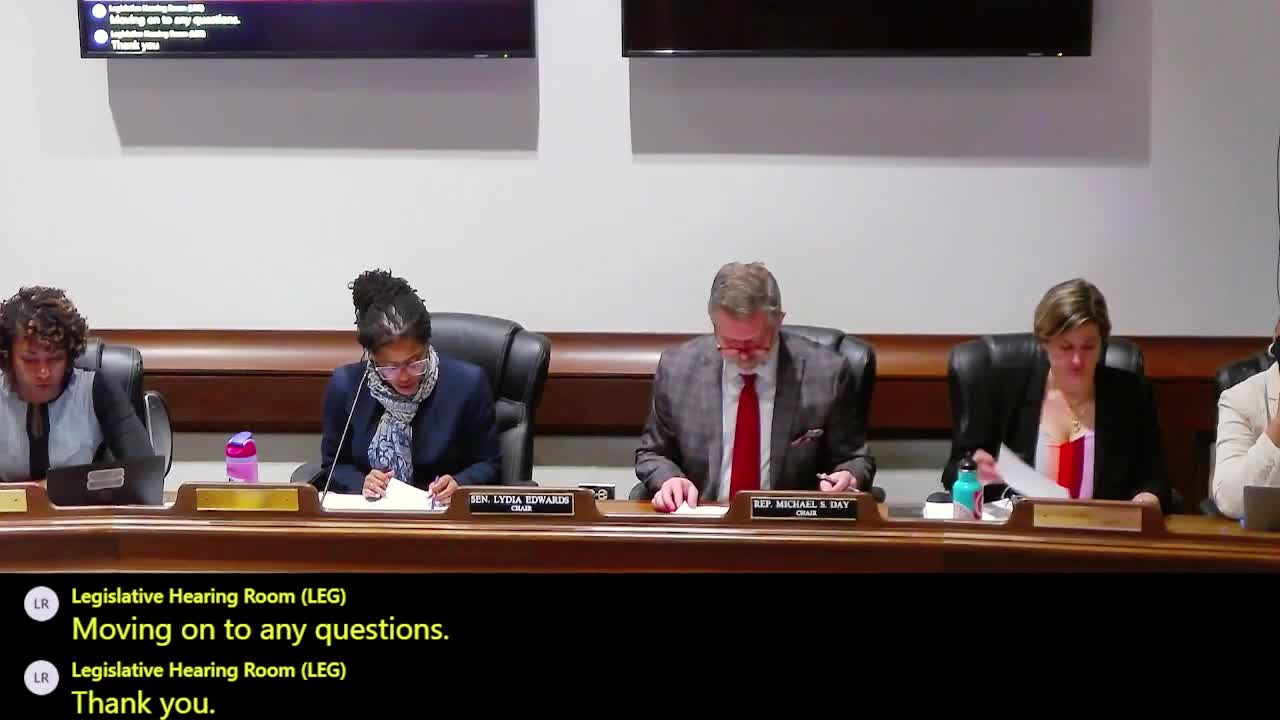
The Joint Committee on the Judiciary heard testimony on legislation sponsored by Sen. Jo Comerford and Rep. Donato to amend the law governing registries of probate and to codify certain higher‑level registry staff positions.
Chief Justice John Casey described a multi‑year effort to modernize the Probate and Family Court after the Supreme Judicial Court characterized it as "in crisis" in 2017. Part of that work, he said, was securing eight additional statutory judicial positions and higher‑level registry staff funded through the trial court budget; the court has already hired for those positions, Casey said.
"With all due respect to the Legislature, they saw it was a crisis. We needed this. They funded it," Casey said, asking the committee to amend the statute so the staffing structure matches current practice.
Register officials said the added positions materially improved performance. One register told the committee a simple estate case that once could take as long as 250 days from filing to appointment now averages about 40 days, including the required citation period. Witnesses said the higher‑level registry staff help self‑represented litigants at the counter and reduce backlogs.
Sponsors and court officials said they were not seeking new funds in the bill — the positions are part of the trial court budget — but asked the Legislature to codify the roles to preserve them across future administrations and chief justices.
The transcript records supportive remarks from multiple registers and stakeholders; no committee vote was recorded during the hearing portion captured in the transcript.