Citizen Portal
Sign In

Senate committee hears emotional testimony on deed fraud bill that would create new crimes and civil remedies

3084501 · April 22, 2025

Loading...

AI-Generated Content: All content on this page was generated by AI to highlight key points from the meeting. For complete details and context, we recommend watching the full video. so we can fix them.

Summary

Sen. West’s SB 26 11 would create dedicated criminal offenses for real property theft and fraud, add civil tools to clear title and increase statutes of limitation; a panel of victims and prosecutors urged support, while committee left the bill pending for a committee substitute.

Sen. Royce West laid out Senate Bill 26 11 on May 20, proposing new criminal classifications and civil remedies for what he described as a rising wave of deed fraud and real-property theft in Texas.

Why it matters: Witnesses described long-running, often organized schemes that transferred deeds for houses, churches and vacant lots through forged documents, hitting elderly and minority owners and draining generational wealth. The bill would create distinct offenses for theft of real property and real property fraud (proposed moved to new code sections referenced by the sponsor), extend the statute of limitations, require civil-judgment procedures to be filed in real-property records, and make restitution and title restoration tools available to victims.

What the bill would do: West told the committee SB 26 11 would move theft-of-real-property from the general theft statute into a new section (referred to in committee as proposed Tex. Penal Code §31.22) and create a separate real-property fraud offense (proposed §32.56). The bill would:

- Create a 10-year statute of limitation for real-property theft and fraud; - Require criminal judgments to identify the affected real property and be filed in county real-property records; - Give judges authority to order restitution for value paid by title insurers, actual losses, repair costs and attorney fees; - Allow a judge to clear title in some circumstances and add enhancements for offenses targeting the elderly and homesteads.

Witness testimony: Victims and prosecutors described the practical costs and harms. Michael Willis, Paul Dodson and Audra Hogg recounted personal and family losses caused by forged deeds and fraudulent transfers; Robert Brown said his church spent years and pro bono legal work to recover property and reported the perpetrator was convicted and sentenced to 35 years. Dallas County District Attorney representatives and County Clerks testified they support the measure and described patterns found in their investigations, including dozens or hundreds of potentially affected properties in Dallas County alone.

Clarifying details and limits: Sponsor West and prosecutors said the bill also clarifies how the existing civil “self-help” statutes (Gov. Code §§51.901–51.903) should operate and would tie criminal convictions to presumptions that help streamline title restoration in civil filings. Witnesses emphasized the bill targets both isolated opportunists and more organized conspiracies; prosecutors noted other statutory tools for organized criminal activity remain available.

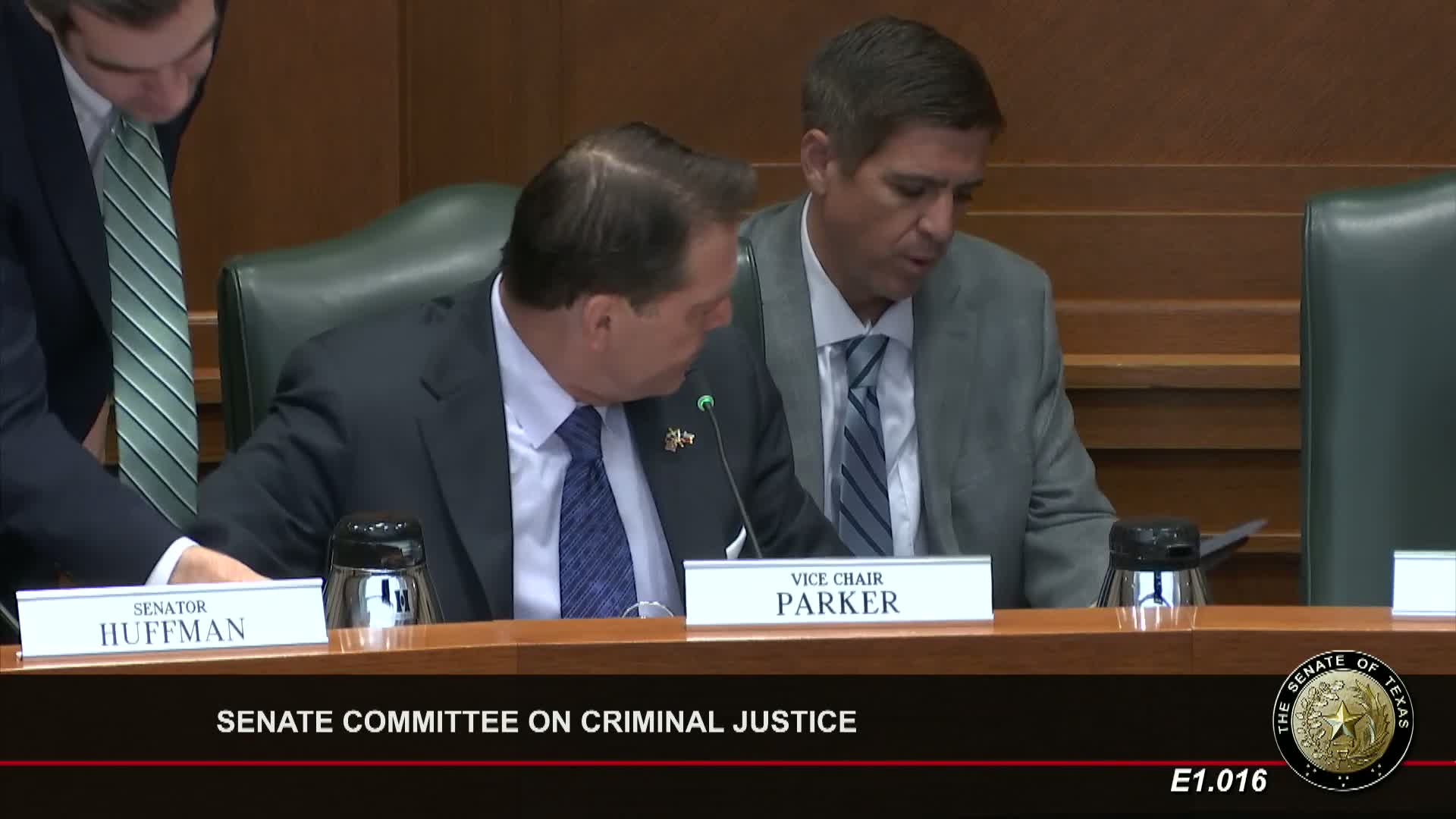
Committee action: Invited and public testimony was extensive; the chair left SB 26 11 pending for a committee substitute and further work rather than voting it out that day.

Source excerpts: Sen. West’s presentation and the invited witness panel (Michael Willis, Paul Dodson, Audra Hogg, Robert Brown, John Warren, Jennifer Fogg, Philip Clark and Carla Rankin) are recorded in the committee transcript for this hearing.

Next steps: The sponsor said a committee substitute with cleanup language is expected; the measure will return to the committee for further consideration before any final committee vote.