Get Full Government Meeting Transcripts, Videos, & Alerts Forever!
Get email alerts on the Education Civic Literacy topic
No spam. Unsubscribe anytime.
County schools, DA's office highlight civil‑liberties and mock‑trial programs for marginalized students
Summary
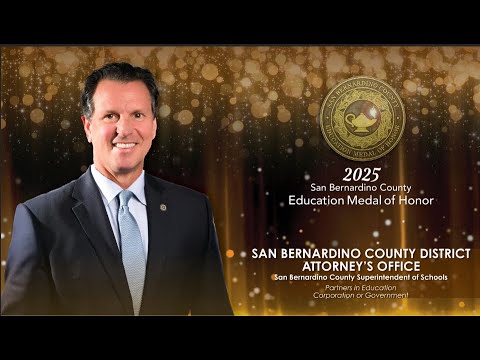
Speakers described a San Bernardino County program that brings county school students to courtrooms, pairs them with prosecutors and other legal staff, and runs mock‑trial coaching to expose historically marginalized, high‑poverty students to the legal system and civic rights.
San Bernardino County program leaders described efforts to bring county school students into courtrooms and classroom programs that pair them with prosecutors, public defenders and court staff to teach civil liberties and courtroom skills.
Speaker B, staff member with the District Attorney's Office, said the effort is intended to make legal rights accessible to students outside of higher‑education settings: “notions of your own rights and civil liberties ought to be reserved for people who go to college or law school. They're in the Constitution.” Speaker A, staff member with the San Bernardino County Office of Education, said the program targets students who “qualify under the demographics of being historically marginalized, high poverty rates.”
Program leaders described two linked components: a civil‑liberties curriculum and a mock‑trial program. The mock‑trial piece includes former mock‑trial students who now coach and, according to the speakers, prosecutors who volunteer or work alongside county schools to bring students into real courtrooms to observe live hearings and practice courtroom skills. “We have over 60,000 cases a year that we process,” Speaker B added, describing the scale of work in the DA's office and the variety of legal roles students meet through the program.
Speakers said the county arranged for early classes to attend live hearings so students could see court reporters, judges and courtroom procedure in person. One speaker recounted a student who, after attending a hearing, asked about the court reporter and responded, “that's what I want to do,” illustrating how exposure prompted interest in legal careers. The presenters characterized the experience as giving students practical confidence — public speaking, asking questions and giving opening statements — that they might not otherwise gain in K‑12 settings.
Presenters framed the collaboration as a way to change how students, particularly those described as “closest to pain,” view government actors and the justice system: meeting attorneys, investigators and administrative staff in a professional context, they said, reduces the tendency to view those actors as adversaries. The program also includes instruction from public defenders and district attorneys so students encounter multiple perspectives within the legal system.
No formal votes or policy actions were recorded in the transcript segment provided. The speakers described ongoing activities and outcomes from the program but did not present new ordinances, contracts or budget requests in the excerpt.
Program proponents said the partnership aims to expand civic knowledge and career awareness among vulnerable student populations; they noted the mock‑trial coaching and courtroom visits are part of the San Bernardino County Office of Education's extracurricular offerings and described prosecutors and other office staff participating as coaches or volunteers. The presenters did not specify funding sources, program budget or the number of students served annually in the excerpt provided.