Get Full Government Meeting Transcripts, Videos, & Alerts Forever!
Get email alerts on the Mattakee Reuse topic
No spam. Unsubscribe anytime.
Yarmouth committees debate Mattakee school site reuse; vernal pool, solar panels and housing mix highlighted
Summary
Planning board members and the Mattakee Utilization Committee discussed environmental constraints at the Mattakee school site, a Habitat for Humanity proposal for affordable units, and questions about on‑site solar panels and ownership versus rental housing.
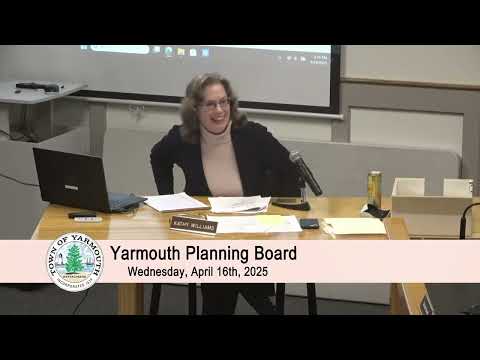
Town committees on April 16 continued work on reuse options for the Mattakee school site, with debate centering on environmental constraints, potential housing types and existing solar arrays.
The Mattakee Utilization Committee reported a recent Open Space Committee meeting that identified a vernal pool on the school property. Committee members said the presence of the vernal pool affects setbacks: if the town retains ownership and redevelops the site the current edge of the building may meet the required 100‑foot setback, but a transfer to new ownership could trigger a 200‑foot regulatory buffer. The board discussed stormwater and roof drainage that currently flows toward the vernal pool and the need to manage that runoff to avoid habitat damage.
Open Space members expressed a preference for demolishing older structures and restoring native plants in portions of the site; other stakeholders want redevelopment that can include housing and public uses. "This process is literally the definition... of competing interests," one committee member said during the meeting.
Housing proposals: the Affordable Housing Trust has advanced a concept that would place small‑scale affordable housing in the northeast portion of the site. Habitat for Humanity presented a plan under consideration to place six small, ownership affordable homes near the site; the broader proposal drafted by consultants also includes larger rental components. Several planning board members expressed concern the draft plan is skewed heavily toward rental units and urged more ownership opportunities to support long‑term stability for families and town employees. One member noted municipal employee rental units under discussion would be limited to three years to help recruit staff while encouraging transition to ownership.
Solar arrays and site infrastructure: participants discussed existing solar panels on the school property. Board members were told the panels generate electricity to the grid and are under a bond; the remaining term of that bond was "not specified" at the meeting. Staff noted that moving or reusing the arrays could require resolving bond and permitting issues and that some panels are part of an educational permit tied to the former school use.
Costs and feasibility: members highlighted the high cost of new construction and its effect on ownership feasibility, citing rough order‑of‑magnitude construction costs mentioned at the meeting (~$600 per square foot for new construction) and noting that ownership prototypes may require partnerships such as Habitat for Humanity or subsidy to be financially viable.
Process and next steps: the Mattakee Utilization Committee will publish meeting notes and continue to funnel options; the planning board and other town committees will review environmental constraints and ownership options as the project advances. No formal decisions or votes were taken at the April 16 meeting; members emphasized further study, public outreach and coordination with permitting authorities before any site sale or redevelopment.