
Outside agency funding panel recommends grants to nonprofits; board questions scope and county eligibility
Get AI-powered insights, summaries, and transcripts
Subscribe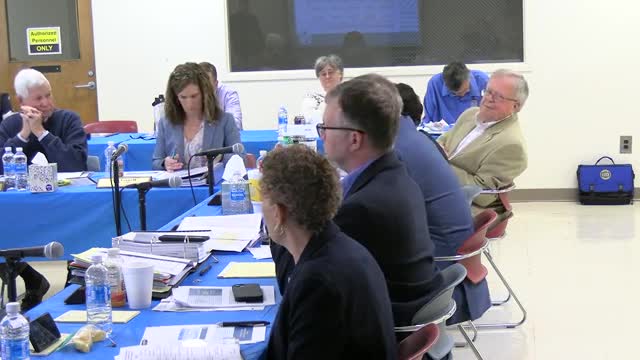
Summary
An internal outside‑agency committee recommended funding for 15 nonprofit applications; the board discussed recommendations and several commissioners raised concerns about awarding county taxpayer funds to organizations headquartered outside Nash County, prompting staff clarification and a call to review committee criteria.
The Nash County outside‑agency funding committee presented recommendations on April 16 for FY26 grant awards to local nonprofits. The committee evaluated 15 applications using a rubric covering program fit, financial need, partnerships and demonstrated impact; the committee’s recommendation spread available funds across education, housing, workforce and health‑and‑safety focus areas.
Recommended awards included repeated education grants (e.g., Downeast Partnership for Children, Peacemakers Freedom School, Boys & Girls Club) at equal recommended levels ($18,930 for several education organizations), housing and veteran services (United Community Ministries, Mercer Foundation, Christian Fellowship Home), workforce supports (Tri County Industries and STEP), and smaller awards for arts education and food‑pantry mobile delivery. For several organizations the committee recommended amounts increased from prior years when the program had shown positive reporting.
During the board discussion, Commissioner Carolyn Wilkins (transcript: Wilkins) objected to recommending funds for Casa Azul de Wilson — a Wilson‑based organization that serves Latino students and which the committee recommended for $10,000 — arguing the county should prioritize organizations headquartered in Nash County. County Manager Stacy Shatzer said she had asked staff to revert a prior draft change and that the presentation at the meeting reflected the committee’s recommendation; she apologized to commissioners for a prior internal note that had not been coordinated. Commissioners debated whether facility location (a Nash County brick‑and‑mortar location) should be an eligibility factor and discussed revisiting the committee’s rubric and scope before next year.
The board did not adopt the awards at the work session; staff noted the committee’s recommendations will inform the manager’s budget proposal and asked the board to advise whether it wants changes to eligiblity criteria or funding priorities prior to final budget adoption in May.