Get Full Government Meeting Transcripts, Videos, & Alerts Forever!
Get email alerts on the Homelessness topic
No spam. Unsubscribe anytime.
Committee hears 5-year strategic plan for Detroit homelessness response; officials outline immediate and next steps
Summary
City staff and the Detroit Continuum of Care presented the Strategic System Improvement Plan for Detroit’s homelessness response, detailing goals, existing actions and next steps including new committees, funding alignments and expanded outreach and shelter capacity.
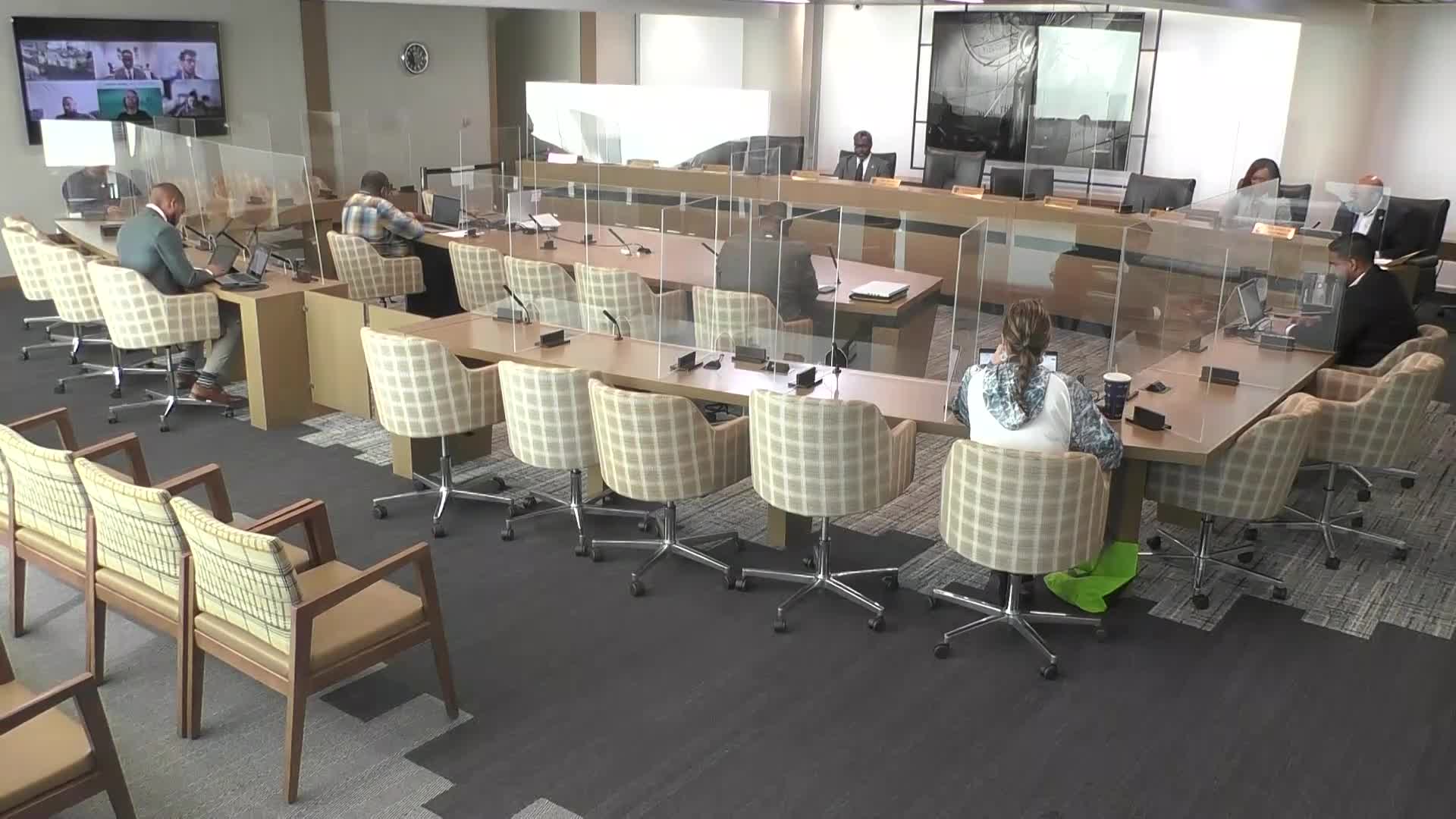
The Planning & Economic Development Standing Committee on April 17 heard a briefing on the Strategic System Improvement Plan for Detroit’s homelessness response system, a multi-year roadmap presented by city staff and Continuum of Care partners.
Tara Lindsner, Homelessness Solutions Director in the Housing and Revitalization Department, and Chelsea Neblett, chief of Housing Solutions and Supportive Services, introduced the session. Tasha Gray, executive director of the Homeless Action Network of Detroit, and Candice Morgan of the Housing and Revitalization Department gave a detailed overview of the plan’s structure, goals and early progress.
The plan (issued in August 2024, as presenters noted) sets six strategic goals, including centering people with lived experience, ensuring households receive services based on need, expanding housing resources, strengthening partnerships and coordinating funding and prevention services. Gray described how the local Continuum of Care (CoC) coordinates emergency shelter, transitional housing, permanent supportive housing and supportive services across Detroit, Highland Park and Hamtramck.
“What CAM is not,” Gray told the committee, “is a shelter or an emergency response; it is the coordinated referral system that links people to the housing resources that may be available.” CAM is the city’s coordinated assessment model for making shelter and housing referrals.
Presenters listed improvement action areas and early steps already underway: a retooled coordinated helpline and after-hours outreach routing, a rapid shelter-exit program to move residents into housing more quickly, recovery and peer supports in shelters, and an affordable-housing Notice of Funding Availability the city released to provide $2,000,000 for permanent supportive housing. Candice Morgan said the plan also calls for establishing structures to implement the plan, expanding staffing and capacity across the system, advocating for resources and strengthening or reimagining shelter operations.
Staff gave several progress updates the committee can expect to track: in February 2025 staff reported 114 new permanent supportive-housing (PSH) units opened and an additional 51 units expected to open soon; the city reported adding “2 30 drop in center beds” (language as presented) to provide immediate shelter access for people found unsheltered; recovery housing beds funded through opioid settlement funds are being coordinated with the Homeless Management Information System; and a payment-in-lieu-of-taxes pilot ordinance to incentivize deeply affordable housing had passed.
Committee members pressed for detail about how the plan will reduce inflow into the homelessness system and produce durable exits to stable housing. Councilmember Leticia Johnson asked whether shelters must fill vacancies through the coordinated entry system; staff replied that shelters are required to fill through CAM and that the drop-in center beds were established in part to address people who need immediate, same-night access. Officials emphasized cross-sector work — aligning workforce services, behavioral and physical health, Detroit Housing Services programs and school liaisons — to reduce new entries into homelessness and to support households after placement.
Staff described next steps for implementation: creating or revising CoC committees, staffing those committees, building work plans, using CDBG funds to repair shelters damaged by flooding, publishing regular progress reporting and soliciting broad membership for the committees. Officials asked the committee for continued Council support and public help: outreach requests from residents identifying unsheltered neighbors are routed to outreach teams; staff said they would make the outreach-request form available to Councilmembers and the public.
No formal committee vote was taken on the plan during the meeting. Committee members thanked staff and asked for ongoing updates as the plan moves into implementation and as housing resources come online.