
Clark County court warns proposed budget outstrips projected revenue by about $1.7 million
Get AI-powered insights, summaries, and transcripts
Subscribe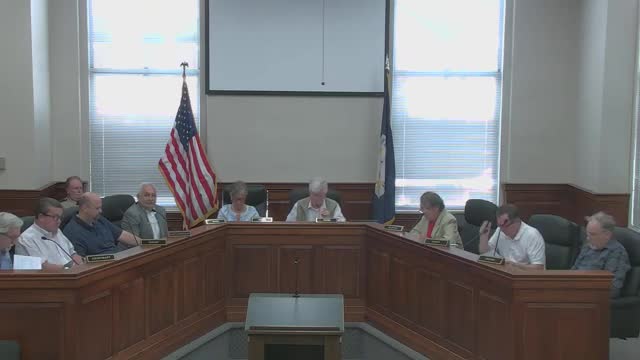
Summary
At a special-called budget workshop, Clark County officials said proposed appropriations exceed likely receipts by roughly $1.7 million and recommended basing next year—s budget on 2025 actual receipts while holding most departments to last year—s spending levels.
At a special-called budget workshop, the Clark County court heard that proposed appropriations exceed projectable receipts by about $1.7 million, and several officials urged building next year—s budget from 2025 actual revenue rather than optimistic forecasts.
Court members and staff said the county received current budget figures only that morning, which made an "educated conversation" about requests difficult. One official recommended using 2025 actual receipts as the baseline and setting appropriations at roughly 95% (or 1 to 1.5 percent) below those figures so the county would avoid repeated cash shortfalls during the fiscal year.
Why it matters: court members said the county has faced months when cash was tight and payroll was hard to meet. Basing the budget on known receipts and then returning later with budget amendments for true additional revenue, they said, would reduce midyear financial strain.
Officials repeatedly warned that several revenue lines appear to be materially overestimated in the draft. The court cited property tax as an example: the county collected about $2,300,000 in 2025 but the draft budget projected $2,400,000. If the county budgets to the lower, known figure and later receives more, the court can adopt amendments to increase appropriations when cash arrives.
The fire department placed one of the larger requests before the court, seeking roughly $700,000 in additional funding. Court members said, if the county adopts a baseline equal to prior-year actuals, most departments would at best receive the same funding as last year and likely less, absent new revenue.
Officials discussed several specific revenue items: an emergency-services fee (referred to in the meeting transcript as a 9-0-11/911-related fee) was estimated at about $612,000 based on roughly 17,000 meters at $3 per month, but staff said collections and checks are only beginning to arrive and some utilities are a quarter behind. Staff also noted that the county—s net-profits tax receipt timing had been extended to November 2025 and that payroll and similar monthly receipts can be extrapolated reliably from year-to-date monthly averages.
Court members recalled past carryover levels that have since shrunk: two years ago the county had about $1.5 million in carryover, at one point $500,000 remained, and last year—s carryover was reported at $1,267,000; current carryover was described as effectively zero. Several members said that pattern argues for a conservative budgeting approach to rebuild a modest reserve.
Several participants urged a practical, two-step approach: (1) staff should refine the revenue picture using 2025 actual receipts and clearly identify recurring monthly lines that can be extrapolated; (2) departments should start from last year—s appropriations (or slightly reduced percentages) rather than asking for across-the-board increases. If and when additional revenues are confirmed later in the calendar year, the court can amend appropriations upward.
No formal budget votes or final appropriations were recorded in the transcript. The meeting concluded with a motion to adjourn that was seconded; the transcript shows the motion and second but does not record a vote tally or formal outcome in the provided excerpt.
Next steps noted in the workshop included further work by county staff to compile actual 2025 receipts and return to the court with refined projections; the court also signaled it will review departmental line items and expect many departments to be held to prior-year levels unless new revenue is confirmed.