
Representative North offers amendment to S27 to narrow eligibility, add "good faith" payment requirement for medical‑debt relief
Get AI-powered insights, summaries, and transcripts
Subscribe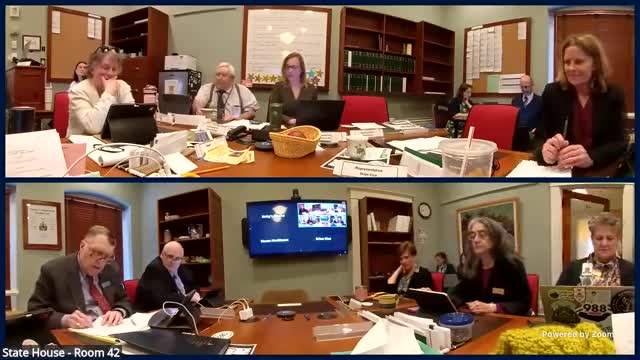
Summary
Representative North introduced an amendment to S27 proposing to lower income eligibility for medical‑debt relief from 400% to 300% of the federal poverty level and to require debtors to show a consistent good‑faith effort to pay.
Representative North presented an amendment to S27 on April 8 that would (1) reduce the income eligibility threshold for medical‑debt relief from 400% of the federal poverty level (FPL) to 300% of FPL and (2) require that a debtor demonstrate a “consistent good faith effort” to make payments on the medical debt before relief is granted.
North said the change is intended to focus limited funds on people with the greatest need. Using 2025 figures discussed in the committee, members noted 400% of FPL for a family of three equates to roughly $104,000 a year, and 300% is “a little less than $80,000,” figures cited during discussion to explain the practical effect of the change.
On the good‑faith requirement, North described it as a standard legal term and said courts could adjudicate disputes about whether an individual made a good‑faith effort; she offered examples such as a minimal monthly payment (for example, $10 per month) as evidence of effort. Committee members pressed for clarity about how good faith would be verified and whether requiring payments could unintentionally exclude the poorest debtors who are unable to make any payments. One member said poverty‑level debtors might not be able to make even token payments; another asked whether every write‑off would have to go through the court system, and staff counsel was noted as present to advise on that point.
Members also discussed practical implementation: one speaker described how medical debt is commonly handled by electronic sale to debt buyers or collection agencies, noting the process is often automated; another said the state treasurer would likely contract with a nonprofit to manage the program and should have flexibility to examine applicants and set criteria. Several members said they could not support a payment‑history requirement that would exclude people at the lowest incomes, and the committee debated the tradeoff between targeting limited funds and ensuring access for those with the greatest need.
The transcript records the amendment being described and debated but does not record a formal committee vote or final adoption of Representative North’s amendment in the portion of the transcript provided.