Get Full Government Meeting Transcripts, Videos, & Alerts Forever!
Get email alerts on the Early Intervention topic
No spam. Unsubscribe anytime.
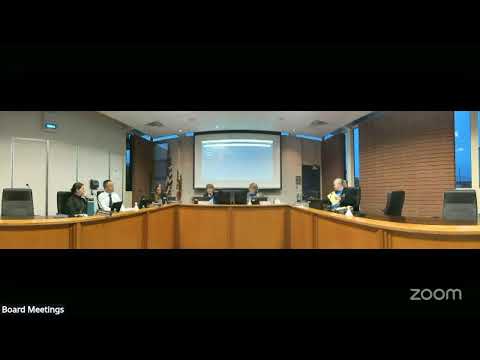
Board hears plan for parent-empowerment early-intervention pilot to address preschool–K behavior
Summary
District leaders proposed a Parent Empowerment Program (PEP), an evidence-based early-intervention pilot for TK and kindergarten families that includes parent training, live coaching, and a PEP classroom pilot at Roosevelt, with seed funding from Providence and training sourced from a Tennessee-based program.
Lawndale Elementary School District leaders presented a proposal for a Parent Empowerment Program (PEP), an early-intervention, parent-engagement program the district plans to pilot to address challenging behaviors among TK and kindergarten students.
The plan was introduced by Dr. Julie Kane and Emily Le, the district’s newly hired community schools coordinator, who said the PEP concept was informed by a La Mesa–Spring Valley program and Vanderbilt University research and would add a tier-2 intervention between universal supports and intensive special-education referrals.
Emily Le said a district needs assessment showed behavioral referrals across sites and identified student behavior and family engagement as the two greatest needs. She reported that in 2023–24 the district recorded about 56 referrals, with roughly 50% coming from Roosevelt (FDR); by a January 2024–25 snapshot there were 43 referrals, with 20% from Roosevelt. Based on that data, the district proposed piloting the program at Roosevelt (referred to as FDR in the presentation).
Dr. Kane described the program structure: participating students attend the PEP classroom two days per week for two hours per session (in lieu of being in their regular class) and receive targeted intervention to teach emotion regulation and other readiness skills. A parent or caregiver attends with the child and receives training on social-emotional strategies, applied behavior analysis basics, parent–child interaction therapy (PCIT) with live coaching through an observation/one-way mirror setup, and practical coaching they can apply at home.
The PEP classroom would serve no more than six students per cohort, starting in a "scrubbed" room (minimal distractions) and progressing to a more typical classroom setting as students demonstrate readiness. Dr. Zico Johnson (research presenter in the meeting) and others on the team emphasized that the program aims to reduce rerouting children into special education by addressing behaviors early—research cited at the meeting warned that unaddressed aggression can become chronic by third grade.
Staffing and facilities details: the presentation listed needed staff (one program lead — school psychologist preferred — two paraprofessional case managers/trainers, and a long-term goal to hire a graduated parent-empowerment leader to train other parents). The district identified an existing room (Room 20 on Roosevelt) to house the program and surplus furniture at Rogers Middle School for initial setup. Materials needs were described as minimal: basic early-childhood furniture and a modest one-way mirror treatment for an observation window.
Funding and timeline: presenters said Providence provided seed grant funding for mental-health-focused work to start the pilot. The district plans to use braided supplemental funding (grants and outside sources rather than general-fund dollars) and to contract with the Tennessee-based Regional Intervention program for standardized training for staff. The district expects to bring job descriptions and personnel requests to the board for approval next month; once staff are hired the team would schedule the required training (a 40-hour training available via Zoom) and launch the pilot in the next school year.
Board members asked about practical barriers. Trustee Anne Phillips asked what manipulatives and child materials were needed; Dr. Kane and team replied that the program emphasizes "learning to learn" behaviors and that a scrubbed room requires only a rug, a kidney table and chairs and a few TK-appropriate play areas. Questions about working parents were addressed: the team said the La Mesa model helped some parents claim short-term FMLA for participation and that the pilot would start during the school day with plans to expand to later sessions if demand required it. Family participation duration for each case was estimated at three to nine months depending on severity, with two-hour sessions twice weekly.
Trustees expressed support. Trustee Bruce (commenting in the meeting) said early intervention can prevent larger problems later. The superintendent and cabinet said the program will remain grant-funded and that the district would return with formal personnel requests for board approval. No formal vote to fund or adopt the program occurred at the meeting; the board was briefed and the district will seek approval of the staffing and contract items at a future meeting.
Ending: District leaders described PEP as an added tier of behavioral support that pairs parent training with in-class coaching. The board directed staff to return with personnel and contract items for approval and to provide an acronym/key sheet and additional specificity on scheduling for families as the program moves toward piloting.