
Lindbergh task force outlines priorities to expand standards-based grading for grades 6–12
Get AI-powered insights, summaries, and transcripts
Subscribe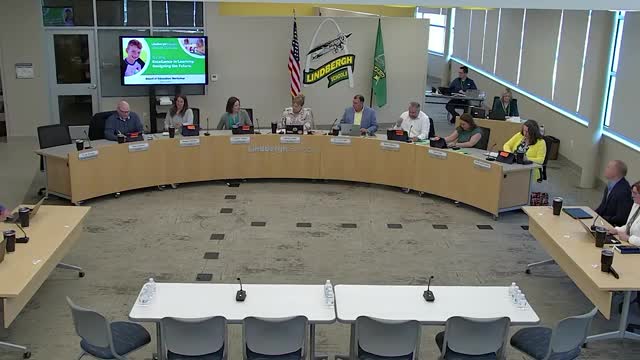
Summary
A Lindbergh Schools task force presented its findings and next steps for standards-based learning for grades 6–12, citing mixed survey results from parents and students, a site visit to Hancock Place High School and a plan to keep an overall semester course grade while improving consistency, communication and feedback.
At a Lindbergh Schools board workshop, members of the district's secondary standards-based learning task force described work to date and preliminary recommendations for grades 6 through 12. The task force presented survey results, lessons from a site visit to Hancock Place High School and a set of priorities that would keep a traditional semester course grade while moving classroom practice toward standards-based learning.
Task force lead Dr. Tara Sparks said the district is proud of current instruction and student achievement but wants to "keep moving towards" improvement. She told the board the group formed in the fall to examine current grading and alignment across secondary classrooms and to develop recommendations for implementation.
The task force's work matters because it would change how teachers report learning and how parents and colleges read student records. Dr. Sparks and other presenters said the change is intended to give clearer, actionable feedback to students and to align grading practices across departments so expectations are uniform.
Key findings and next steps
- Surveys: The task force reported 335 parent respondents and 1,646 student respondents. Task force members said parent responses were more negative at the secondary level, often showing confusion or a preference for traditional letter grades. Student responses were mixed: some students described standards-based grading as clearer and more actionable, while others found it confusing and stressful.
- Site visit and examples: Task force members described a February visit and presentations from Hancock Place High School. The Hancock Place delegation emphasized a culture-first, multi-year rollout and consistent professional learning for staff; task force members said they valued seeing teachers, students and parents use a common vocabulary about learning targets and assessments.
- Priorities and guardrails: The task force identified four priorities to guide recommendations: (1) preserve an overall course grade by semester so transcripts remain interpretable, (2) establish clear, consistent universal expectations during rollout, (3) promote academic rigor with clarity about what constitutes "exceeds expectations," and (4) ensure feedback is actionable so students know what to do to progress from one performance level to the next.
- Communication, technology and time: Presenters emphasized the need for stronger communication with families, a technology tool that accurately communicates standards-based information, and significant time and professional learning for teachers to implement the changes well.
- Timeline and process: The task force planned to return recommendations to the district's Teaching and Learning Board Advisory for feedback, and members said they plan further work at a May 12 meeting. Sparks said she expects the task force to leave the next phase with "big ideas" and a smaller steering committee to carry forward operational details and continued stakeholder engagement.
Quotes from presenters
"We are extremely proud of the work and the learning of our current instructional practices, our grading practices," Dr. Sparks said when introducing the task force's goals, adding that the group's work is about continuous improvement rather than replacing effective teaching.
Process and concerns raised
Board members and task force participants asked about college admissions and transcript translation. Task force members said most districts with standards-based systems provide a matrix or legend that translates standards ratings into a 1-to-4 or GPA scale for external use and that some higher-education institutions have processes to interpret varied transcript formats. Presenters also acknowledged the particular challenge of communicating what "meets expectations" means in a high-performing district where many families expect "exceeds."
The task force said its recommendations will try to address transfer students and families who enter the district midyear by preserving a clear semester-level grade and by providing school profiles and legends for external translation.
Ending
Presenters asked the board for continued patience with a phased rollout and for support for the professional learning time required. They emphasized that the next deliverable will be a set of concrete recommendations informed by teaching-and-learning advisory feedback and further task force meetings.