
City says California’s tougher chromium‑6 standard may soon require public notices; testing, treatment work underway
Get AI-powered insights, summaries, and transcripts
Subscribe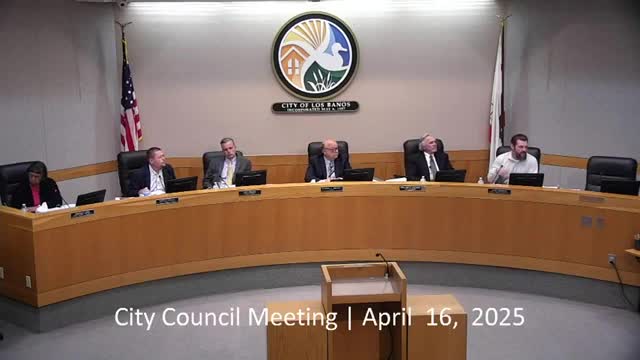
Summary
Interim city manager Gary Bridal told the council the state reduced the maximum contaminant level for hexavalent chromium from 50 ppb to 10 ppb and that city testing may show exceedance in July; staff is working with consultants on compliance and will publish outreach materials.
The City of Los Banos warned residents on April 16 that a new California standard for hexavalent chromium (chromium‑6) may require public notice and treatment steps in the coming months.
Interim City Manager Gary Bridal said the California Department of Public Health lowered the state maximum contaminant level for chromium‑6 from 50 parts per billion (ppb) to 10 ppb. That change, Bridal said, was not the result of a sudden change in water quality but a change in the regulatory standard. The city completed an initial round of testing and, by the averaging method the state uses, was not required to notify customers after that round; however, Bridal said results due in July may show the city is above the new 10 ppb level and that would trigger a formal notification process.
Bridal said the city already is working with consultants to evaluate compliance options (treatment, blending, etc.) and that the state provided approximately two years for systems to come into full compliance. Bridal emphasized the tests and state averaging method and characterized the change as a regulatory tightening specific to California: under EPA federal rules and in many other states Los Banos’ water would remain within allowable levels, he said.
The city said it will publish information about chromium‑6 on its website and will provide community outreach in the coming months. Bridal described the change as “not an emergency” for residents but as a substantive technical and operational issue that will require staff time, consultant work and a public‑facing explanation of testing procedures and possible long‑term treatment options.
No compliance plan or treatment contract was approved at the meeting; staff said a policy discussion and cost estimates will follow as consultants provide options.