Lawmakers weigh limits on second‑generation rodenticides as testimony continues
April 19, 2025 | Agriculture, Food Resiliency, & Forestry, HOUSE OF REPRESENTATIVES, Committees, Legislative , Vermont
This article was created by AI summarizing key points discussed. AI makes mistakes, so for full details and context, please refer to the video of the full meeting. Please report any errors so we can fix them. Report an error »
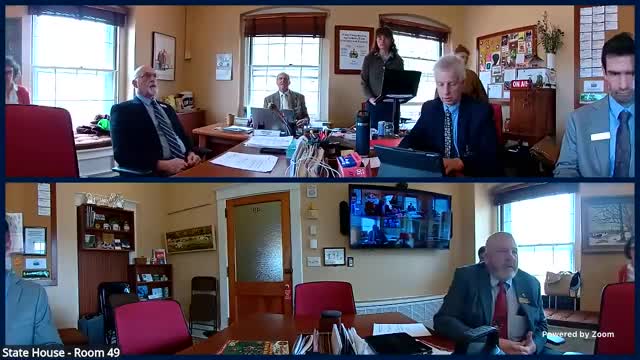
A legislative committee continued taking testimony on a short‑form bill addressing use and sale of second‑generation anticoagulant rodenticides, with members split between tighter restrictions and delaying a ban until alternatives are proven.
The committee heard that some witnesses will testify next week, including a business offering alternative pest control and a representative from Cabot Cheese on how companies use rodenticides. Speaker 1, Committee member, opened the discussion by noting the bill is short form and lacks draft language and that the panel can continue to gather testimony or ask the Office of Legislative Counsel to draft statutory text for a committee vote.
Committee members raised environmental and public‑health concerns about secondary poisoning of raptors and other wildlife. “I don’t wanna remove tools from my toolbox permanently,” said Speaker 2, Committee member, who noted previous actions to move some products under licensed applicators and said licensed control could be an option for portions of the product class. Other speakers urged further study of wildlife impacts and of whether contamination comes from rodenticides versus other pharmaceutical sources in waterways.
Witnesses and members described a complicated market: second‑generation products were taken off retail shelves under an EPA action referenced in committee testimony but remain available online or by mail order. Speaker 2 noted that “you can buy it online” despite retail restrictions; other members worried mail‑order access undermines state controls and discussed enforcement limits.
The committee discussed narrower approaches: limiting sales, restricting mail order, keeping products available only to licensed applicators, requiring tamper‑proof bait stations, and creating exceptions for large farms or industrial operations that say mechanical traps or sticky pads are impractical. Speaker 9, Committee member, said he would like another day of testimony to hear from companies offering alternatives and from agencies about current enforcement and the science on replacements.
Panelists asked state experts to clarify how commonly secondary exposures occur and what monitoring has isolated as sources; members suggested inviting staff from Fish and Wildlife or department scientists to testify on detection, bioaccumulation and rehab center caseloads. Some speakers cited international studies of pharmaceuticals in fish and wastewater as complicating factors for attributing effects solely to rodenticides.
Next steps: the committee plans to continue testimony next week, may ask staff or a small drafting group to prepare statutory language, and will require a committee vote to move a short form into bill text.
The committee did not take a formal vote during the hearing; members agreed to gather additional testimony and agency input before drafting or advancing statutory language.
The committee heard that some witnesses will testify next week, including a business offering alternative pest control and a representative from Cabot Cheese on how companies use rodenticides. Speaker 1, Committee member, opened the discussion by noting the bill is short form and lacks draft language and that the panel can continue to gather testimony or ask the Office of Legislative Counsel to draft statutory text for a committee vote.
Committee members raised environmental and public‑health concerns about secondary poisoning of raptors and other wildlife. “I don’t wanna remove tools from my toolbox permanently,” said Speaker 2, Committee member, who noted previous actions to move some products under licensed applicators and said licensed control could be an option for portions of the product class. Other speakers urged further study of wildlife impacts and of whether contamination comes from rodenticides versus other pharmaceutical sources in waterways.
Witnesses and members described a complicated market: second‑generation products were taken off retail shelves under an EPA action referenced in committee testimony but remain available online or by mail order. Speaker 2 noted that “you can buy it online” despite retail restrictions; other members worried mail‑order access undermines state controls and discussed enforcement limits.
The committee discussed narrower approaches: limiting sales, restricting mail order, keeping products available only to licensed applicators, requiring tamper‑proof bait stations, and creating exceptions for large farms or industrial operations that say mechanical traps or sticky pads are impractical. Speaker 9, Committee member, said he would like another day of testimony to hear from companies offering alternatives and from agencies about current enforcement and the science on replacements.
Panelists asked state experts to clarify how commonly secondary exposures occur and what monitoring has isolated as sources; members suggested inviting staff from Fish and Wildlife or department scientists to testify on detection, bioaccumulation and rehab center caseloads. Some speakers cited international studies of pharmaceuticals in fish and wastewater as complicating factors for attributing effects solely to rodenticides.
Next steps: the committee plans to continue testimony next week, may ask staff or a small drafting group to prepare statutory language, and will require a committee vote to move a short form into bill text.
The committee did not take a formal vote during the hearing; members agreed to gather additional testimony and agency input before drafting or advancing statutory language.
Don't Miss a Word: See the Full Meeting!
Go beyond summaries. Unlock every video, transcript, and key insight with a Founder Membership.
✓
Get instant access to full meeting videos
✓
Search and clip any phrase from complete transcripts
✓
Receive AI-powered summaries & custom alerts
✓
Enjoy lifetime, unrestricted access to government data
30-day money-back guarantee
