
Board hears David's Law compliance briefing after parent questions district reporting and threat-assessment practices
Get AI-powered insights, summaries, and transcripts
Subscribe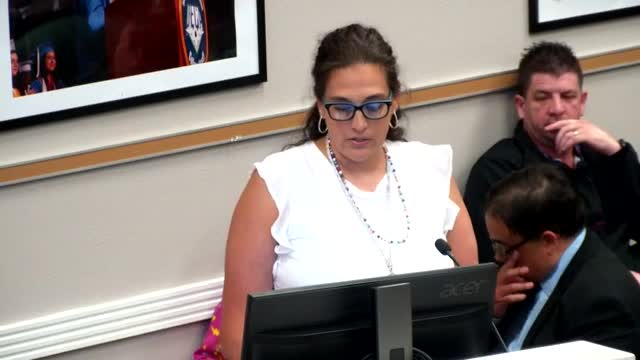
Summary
District staff told trustees Judson ISD is compliant with David's Law and TEA bullying-prevention requirements, including annual surveys and local prevention committees; a parent in public comment said the district has underreported bullying incidents and raised questions about campus-level threat assessment use and parent notification.
The Judson ISD administration presented a briefing on bullying prevention and David’s Law compliance after a parent in public comment criticized the district’s reporting and prevention practices.
District officials said David’s Law expanded the definition of bullying, added cyberbullying provisions and required anonymous reporting, parent notification within 48 hours and the establishment of prevention committees and behavioral threat-assessment processes. Assistant administrators and curriculum staff told the board the district uses the TEA-recommended six-step analysis for bullying determinations, conducts annual bullying-survey administration at every campus and has implemented anonymous reporting tools (StopIt) and local prevention committees.
The parent who spoke during public comments said the district’s documentation misstated the frequency of required surveys (the parent argued the state requires annual administration), questioned whether prevention committees had met at some campuses and said TEA-required threat-assessment teams and parent notifications had not been visible to parents on at least one campus. The parent also cited an anomaly on the TEA campus report card showing zero reports at a particular high school despite the parent’s account of multiple incidents.
District staff acknowledged the parent’s concerns and said: surveys are administered yearly; campuses have prevention committees and principal-led meetings; behavioral threat-assessment teams exist at every campus; and several campuses were participating in a pilot of the state's sentinel case-management system for threat assessments. Staff said the state does not specify how often local prevention committees must meet but that campuses must meet at least once; the district reported collecting meeting data and scheduling a planned final prevention meeting at Hopkins campus in May.
Board members pressed staff on whether the district had interim measures while investigations proceed and how parents are notified and involved. Trustees and staff emphasized the difference between conflict and bullying under the state checklist and described additional campus-level safety and prevention work, including counselor support and parent engagement events. Administrators said they would make existing protocols and the district's six-step process more accessible in the board packet and on the website for board members and parents.
The presentation prompted trustees to request clearer public-facing documentation and suggested experimenting with electronically archiving prevention-committee meetings and recording or streaming community table talks to improve accessibility.