Get Full Government Meeting Transcripts, Videos, & Alerts Forever!
Get email alerts on the Opioid Settlement Funding topic
No spam. Unsubscribe anytime.
Infants-in-Bloom and local recovery groups seek opioid-settlement dollars to expand infant care and transitional housing
Summary
Three local recovery organizations presented to commissioners seeking opioid-settlement funds for a mobile pediatric care program for infants exposed to substances, a recovery café with wraparound services, and plans for a 60‑bed transitional recovery housing facility.
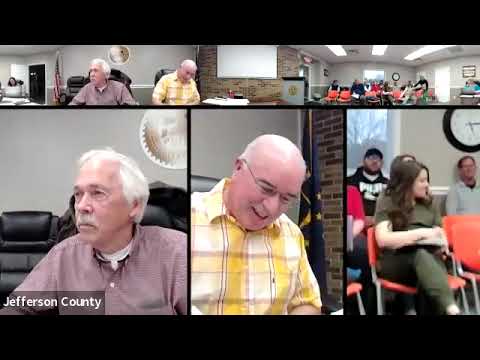
Several local recovery-focused organizations asked Jefferson County commissioners to consider using opioid‑settlement money for programs aimed at infants exposed to substances and adults in recovery.
Infants in Bloom, a program led by pediatric clinicians, asked commissioners to fund a high‑touch, mobile primary-care model that serves babies affected by parental substance use. The presenter described the program as serving babies wherever they are—home, foster care or residential settings—and said the model provides weekly interventions, developmental testing and 24/7 telehealth communication with parents or caregivers. “There are very, very few interventions in the whole country where infants are the primary recipients of the opioid dollars,” the program presenter said, explaining why the group considers its model uniquely suited for settlement funding.
Program leaders said the pilot began in February and currently serves five infants. They recounted cases in which quick remote assessment by the team avoided emergency-room visits, identified a speech delay that allowed referral to therapy, and supported foster- and biological-parent visitation with medical guidance. The presenters said they are seeking multiple funding streams—Medicaid, Department of Child Services support and philanthropic grants—to sustain continuity of care across county lines and through changes in placement or insurance.
Recovery Café representatives summarized monthly service levels, reporting that their site serves meals daily to anyone in the recovery community and unhoused residents, and that in January they provided 385 meals and distributed more than 300 cups of coffee. The café said staff are all peer-recovery workers, offer one‑on‑one support, act as a liaison with courts and corrections, and run a member financial assistance program that can provide up to $500 per month under conditions and case management.
Recovery Foundations of Southern Indiana described plans for new transitional recovery housing intended to serve up to 60 people (30 men, 30 women). Board members Sherilyn Miller and Shanita Blameon said they have acquired 501(c)(3) status, are seeking land and intend to build a facility with mandatory programming, life-skills training, community service requirements and partnerships with local employers and Ivy Tech for internships. They said the project is in early stages and has not yet secured other funding sources, though Bethany Legacy has indicated support.
None of the presentations produced a formal vote during the meeting. Presenters asked commissioners to consider opioid‑settlement grants for direct services to infants, expanded recovery-café programming and capital or operating support for recovery housing.
Why it matters: County control over how opioid-settlement funds are allocated can shape local services for populations directly affected by the opioid epidemic, including infants exposed prenatally and adults re-entering the community. Presenters framed their requests as investments in early‑childhood intervention and reentry support, with potential long‑term gains in health and social outcomes.
What happens next: Presenters said they will follow up with county staff about formal application processes for settlement funds and potential matching or sustainment strategies.