Get Full Government Meeting Transcripts, Videos, & Alerts Forever!
Get email alerts on the Park Policies Micromobility topic
No spam. Unsubscribe anytime.
Parks commission seeks public input on micromobility, speed limits, dogs and park rules
Summary
After public comment and staff outreach, the commission asked staff to develop a community survey and further study park rules covering e-bikes, micromobility devices, speed limits, park hours and dog policies.
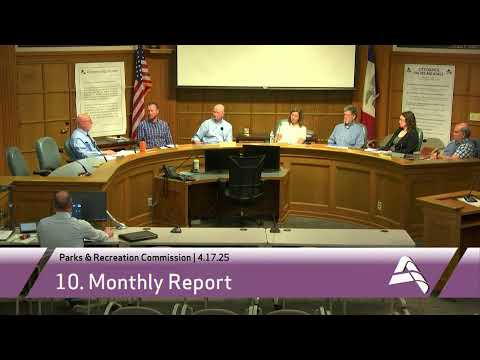
Ames Parks and Recreation staff presented public input and draft policy language on April 17 and the commission asked staff to develop a focused survey and return recommendations.
Staff summarized correspondence and two public input meetings. The comments ranged from proposals to ban personal transportation devices in parks to requests to preserve shared use. Staff noted the policy work is intended to balance access, safety and equity (for users who need mobility assistance such as e-trikes or e-bikes).
Staff described several specific questions for the commission to consider on micromobility: whether to allow particular devices, whether to set a numeric speed limit, how to mark trails (striping, signage or graphics), and what enforcement or voluntary etiquette steps to use. Staff cautioned that physical speed bumps were not being considered because of accessibility and plowing constraints. The city manager's office is preparing a separate micromobility survey and staff said they will coordinate to include relevant park questions.
Commissioners raised additional topics for the survey and future work: clarifying how people learn park rules, better signage at shelters and main entrances, dog-leash specifics and whether to restrict retractable leashes, and concerns about people experiencing homelessness and how enforcement would affect shelter or service access. Staff said they would coordinate with the city manager's office, include suggested questions, gather input from dog-training or user groups on leash issues and return with a draft survey and recommendations.