Citizen Portal
Sign In

Laredo meeting pushes for psychiatric clinic or hospital, wider police training and 911 disability form

3048656 · April 18, 2025

Loading...

AI-Generated Content: All content on this page was generated by AI to highlight key points from the meeting. For complete details and context, we recommend watching the full video. so we can fix them.

Summary

Committee members urged local and state officials to pursue a psychiatric clinic or hospital in Laredo, expand police crisis training and broaden use of a voluntary 9-1-1 information form for people with disabilities; participants cited local gaps in beds, after-hours coverage and long delays in diagnosis.

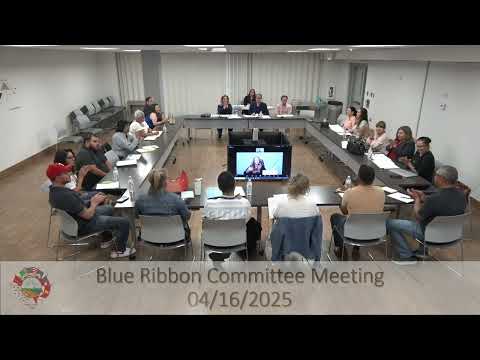
At a Jan. 27 meeting of the group referred to in the transcript as the VRC, committee members urged city and state officials to advocate for a psychiatric clinic or small inpatient hospital in Laredo, and pressed for broader police crisis training and better use of a voluntary 9-1-1 information form for people with disabilities.

Speakers said the goal is to reduce arrests, prolonged detentions and dangerous confrontations when officers encounter people who do not communicate fluently or who display atypical behavior because of a disability. A committee participant summarized police feedback that “we need as a community a psychiatric clinic or a psychiatric hospital,” and that at minimum the city should have a clinic to prevent escalations.

Why it matters: participants said local emergency rooms and mental health authority policies limit options — the mental health authority described in the meeting admits voluntary cases only and will not take patients who are severely impaired or an immediate danger, creating situations in which police must use many officer-hours to secure and transport individuals. Committee members said some hospitals decline to accept individuals for psychiatric care because of limited beds.

Committee members described existing police training and tools: an officer at the meeting said, “we do get a 40 hour training, which is a crisis intervention training,” and speakers described a voluntary 9-1-1 information form that families can submit so dispatchers and officers see a disability flag when a call is placed. Those forms currently must be provided in person and entered into the police database, and program staff said the forms are distributed at community events but that dissemination to families and school districts is uneven.

Participants described after-hours gaps: a mental health unit staffer said the unit is available Monday through Friday until 5 p.m., leaving nights and weekends without that resource. Committee members also said police frequently must pull officers off patrol to manage mental-health-related incidents.

State-level context: committee members who had traveled to Austin reported discussions with the executive director of the Texas Health and Human Services Commission (HHSC). They said the commission’s strategic plan includes a broad target to increase psychiatric bed capacity statewide and that a $100 million rider was included in budget negotiations that could fund a brick-and-mortar, 20-bed facility locally; speakers cautioned the rider’s final funding was not yet confirmed.

Actions and next steps: a committee member requested the health department prepare a presentation on training courses and forms for a future meeting; a motion to ask the health department to return with that presentation was made during the session (mover/second and vote not specified in the transcript). Speakers recommended coordinating with Laredo Medical Center, border-region hospitals, school districts and the city’s police and dispatch systems to improve form distribution and training reach.

The discussion included appeals to the state delegation. Committee members suggested continuing outreach to state legislators named in the transcript — Representative Freeman, Senator Zapparini and Representative McLaughlin — to press for funding and inclusion of the rider in a final bill. Participants also raised workforce and cost concerns for recruiting psychiatrists, and suggested a phased approach starting with clinic capacity and workforce development.

Ending: Committee members said they will continue advocacy at the state level while working locally to expand voluntary 9-1-1 form use, police training dissemination and partnerships with hospitals and school districts to reduce risky confrontations and long detentions for people with disabilities.