Get Full Government Meeting Transcripts, Videos, & Alerts Forever!
Get email alerts on the Recycling topic
No spam. Unsubscribe anytime.
Waste Management explains Kirkland recycling: 'Clean, empty, dry' is key
Summary
Waste Management described how curbside recycling from Kirkland is processed at its MRF, urged residents to follow a simple "recycle right" rule (clean, empty, dry), and answered common questions about items such as bottle caps, pizza boxes and batteries.
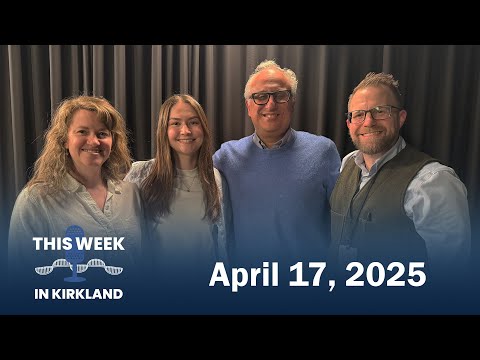
Grace Fletcher, education and outreach coordinator for Waste Management, explained how Kirkland's curbside recycling is handled and urged residents to follow simple rules to keep recyclable materials out of the trash.
"If it's a plastic water bottle with a plastic water bottle cap, you can actually just screw the cap back on as long as the water bottle is empty," Fletcher said, describing an approach that prevents loose caps — which are too small for sorting equipment — from becoming contaminants.
Fletcher told the City of Kirkland's podcast that trucks collect residents' blue-bin recycling and deliver it to a material recovery facility (MRF). For Kirkland, that facility is Waste Management's Cascade Recycling Center in Woodinville, which hosts automated and staffed sorting lines that separate cardboard, bottles and cans into bales for manufacturers.
"At the end, you have these beautiful things we call bales, which are really just cubes of super clean recyclables," Fletcher said. She said the bales are sold to manufacturers who melt and remanufacture the material into new products — completing a local recycling loop.
Fletcher and the hosts walked through common confusion points. She repeated Waste Management's guidance to follow a short, research-backed "recycle right" campaign: "recycling clean and empty and dry cans, paper, cardboard, and bottles," to keep food and liquid out of recycling, and to avoid plastic bags and bagged recyclables.
On specific items, Fletcher said: bottle caps can be recycled if screwed back onto an empty bottle; clean pizza boxes go in recycling while greasy boxes should go in compost; and small items under about 3 inches ("the 3 inch rule") often cannot be recovered and should not be left loose in the bin.
Fletcher also described hazards and exceptions: batteries are recyclable but are not curbside-appropriate because they present a fire risk for trucks and sorting equipment; instead, Kirkland residents are directed to drop them at city collection points such as Kirkland City Hall, Peter Kirk Community Center and North Kirkland Community Center or consult Waste Management's local guidance.
Hosts Jim Lopez and Gina Jan asked about facility operations and novelty items. Fletcher confirmed the facility uses optical sorters that can identify items rapidly and described an on-site mascot and outreach efforts. She invited listeners to a planned tour of the Cascade Recycling Center and said Waste Management will announce sign-up details.
The podcast balanced technical detail (how MRFs form bales and sell them to manufacturers) with practical guidance for residents (clean/empty/dry; no plastic bags; when to compost). Fletcher repeatedly directed listeners to Waste Management's Kirkland-specific guide at wmnorthwest.com/kirkland and the city's recycling page for questions or pickup scheduling.
The session included a rapid Q&A addressing common misconceptions, including that the chasing-arrows symbol alone does not guarantee curbside recyclability and that "wish cycling" — putting uncertain items in recycling in hopes they will be recycled — can contaminate loads. Fletcher's advice: when in doubt, check the local guide; if the item is not listed, place it in the trash rather than risking contamination.
The interview emphasized two operational points that influence what is accepted: (1) equipment and processes at MRFs are optimized for certain shapes and sizes, and (2) food and liquids are a primary cause of contamination. The podcast hosts said show notes will include links to Waste Management and the city's resources and to an upcoming Shred Event (May 17) for paper that should not go curbside.
"When in doubt, throw it out," Fletcher said, summarizing the suggested default for items not clearly accepted curbside.
The hosts closed by encouraging listeners to sign up for the planned MRF tour and to use the online guides for item-level questions.