Get Full Government Meeting Transcripts, Videos, & Alerts Forever!
Get email alerts on the Privacy Fence Variance topic
No spam. Unsubscribe anytime.
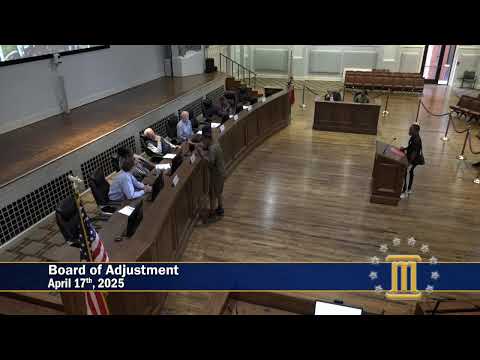
Board denies curbside/height fence request at Bell Road Court, cites traffic and visibility
Summary
A request by Betty Nelson for a six- to eight-foot street-side/privacy fence at 6200 Bell Road Court was denied after neighbors raised traffic, emergency-access and drainage concerns; Nelson supplied utility easement clearances but the board concluded changes would impair sight lines at an intersection.
The Montgomery City Board of Adjustments denied a request by Betty Nelson for a height variance and a street-side-yard variance for a privacy fence at 6200 Bell Road Court, citing traffic and visibility concerns at the corner and repeated public comments about drainage and emergency access.
Nelson told the board she had obtained clearance from utilities for the fence, said a six-foot portion already existed and described past incidents that motivated the privacy measure. She also said she is in A-1 zoning and planned to garden on the property, which was raised by neighbors but not within the board’s purview for this variance hearing.
Neighbors and representatives from the adjacent Charleston Court/Carolina Court neighborhoods raised multiple concerns at the podium: potential congestion on the subdivision’s single entrance and exit, the loss of sight lines for vehicles and emergency apparatus, drainage and potential conflicts with overhead power lines and tree maintenance. Billy Wilson (speaking on behalf of neighborhood concerns) said the proposed street-side placement could “generate unmanaged traffic causing congestion and safety hazards on our three streets.” Another speaker, the homeowners-association representative, asked that the board require answers before approving any change that would affect emergency access.
Board members noted an earlier approval in 1985 allowed a fence in the area but that the current request sought to place the fence on or very near the property line — effectively closer to the street than the board’s prior 15-foot front setback approval from 2024 for a related property. Staff confirmed an earlier 1985 approval existed for a fence but that the current constructed fence appears to be located on the property line, which triggered the variance request and neighbor complaints.
A board member moved to deny the variance “for several reasons, the most important of which is traffic at the intersection and visibility.” The motion to deny carried; the transcript does not record a roll-call tally.
Nelson told the board she would restore the fence to the previously approved line if required; she also stressed that she had spoken with utility companies and said she would comply with the board’s decision. The board emphasized it was considering only the fence variances and not any alleged or potential commercial uses of the property.
The denial requires Nelson either to move the fence to the previously approved setback or to pursue an appeal or reapplication that addresses the sight-line and traffic concerns.