Get Full Government Meeting Transcripts, Videos, & Alerts Forever!
Get email alerts on the Attendance topic
No spam. Unsubscribe anytime.
WeGo reports high freshman chronic absenteeism; deans use prom/homecoming eligibility to prompt interventions
Summary
Administrators reported freshmen chronic absenteeism at 28.8% as of early April and said the school is using individualized outreach and event-eligibility policies (homecoming, prom) to prompt communication with families and increase attendance.
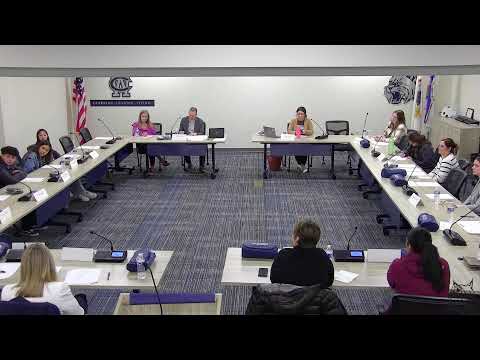
At the April 16 PTAC meeting, West Chicago Community High School administrators reported that 28.8% of freshmen are chronically absent this year and described tactics including individualized letters and social consequences for event eligibility to prompt family engagement.
Administrators defined chronic absenteeism using the state standard: missing 10% or more of the school year for any reason. The meeting packet showed freshmen at 28.8% chronically absent; administrators noted a trend where freshmen rates often improve in sophomore year (citing prior classes as examples).
To address attendance, administrators said they sent individualized mailings to families showing excused and unexcused absences and are prioritizing intensive casework through the new Family Outreach Coordinator. Deans said they also began enforcing event eligibility (homecoming and prom) based on unexcused absences and tardies; students who did not meet criteria were required to meet with deans and, in some cases, bring parents to regain eligibility.
"I need you to communicate with us. Like, what's going on? Are you struggling? Are you working?" one administrator said of the dean outreach. Staff noted that excused absences and mental-health days count toward chronic absenteeism in state calculations, but they do not count against event eligibility when the school applies separate unexcused thresholds for homecoming or prom.
PTAC members discussed incentives versus consequences; some proposed raffles or rewards, but administrators said evidence is mixed and suggested case-by-case family interventions are most effective for sustained improvement. Proposed ideas included study tables before after-school practices and tighter expectations for den study periods.
Ending: Administrators said attendance remains an ongoing challenge and urged families to communicate early so staff can create plans to restore attendance and support student success.