Get Full Government Meeting Transcripts, Videos, & Alerts Forever!
Get email alerts on the Wage Theft topic
No spam. Unsubscribe anytime.
Committee adopts amendment raising mens rea for wage‑theft felony from “knowingly” to “intentionally”
Summary
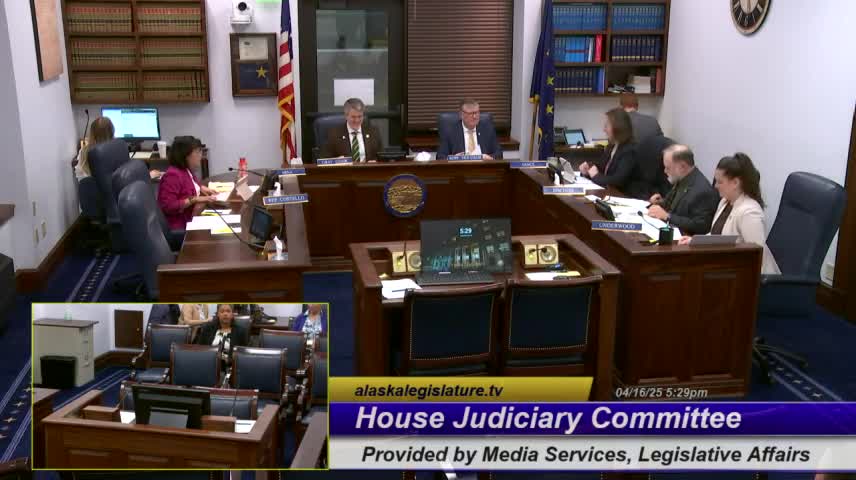
During consideration of House Bill 97 (retail theft and related provisions), Representative Vance offered an amendment changing the mens rea for a wage‑theft felony from “knowingly” to “intentionally.” Deputy Attorney General John Skidmore advised the committee on the legal difference; the amendment passed on a 5–1 roll call.
The House Judiciary Committee on April 16, 2025 debated an amendment to House Bill 97 that changes the mental‑state requirement for wage‑theft from “knowingly” to “intentionally.” Representative Vance moved the amendment; Deputy Attorney General John Skidmore explained the legal distinction between the two terms and the prosecutorial implications.
Skidmore told the committee that “knowingly” generally means a person is aware of a substantial and unjustifiable risk and disregards it, while “intentionally” denotes a conscious objective to cause the prohibited result. He said raising the mens rea to “intentionally” creates a higher mental‑element threshold and helps prosecutors and courts distinguish between existing misdemeanor wage statutes and the felony provisions now proposed in HB 97.
Supporters of the change, including Vice Chair Kopp, said the amendment protects employers who face payment disputes or administrative delays (for example, in state procurement) from being prosecuted when there is no conscious decision to withhold pay. Opponents warned against narrowing worker protections; Chair Gray maintained an objection to the amendment during discussion.
The committee recorded a roll‑call vote after debate. The clerk announced: Representative Nina — yes; Representative Eisheid — yes; Representative Vance — yes; Representative Copp — yes; Representative Underwood — yes; Chair Gray — no; Representative Costello — absent. The motion to adopt the amendment passed 5–1.
Action and next steps: The committee adopted the mens‑rea amendment to the wage‑theft section of HB 97. Committee members indicated there were additional amendments to be considered and the bill was set aside for further work.
Why this matters: Changing the statutory mens rea from “knowingly” to “intentionally” alters which cases meet the felony standard and can affect prosecutorial charging decisions, potential liability for employers and contractors, and the distinction between civil disputes and criminal conduct.
What’s next: HB 97 was set aside for continuation of committee work and further amendments; the mens‑rea change will remain part of the draft that returns to the committee.