Get Full Government Meeting Transcripts, Videos, & Alerts Forever!
Get email alerts on the State Incentives And Local Revenue topic
No spam. Unsubscribe anytime.
Councilmember warns state incentive rebates could reduce Papillion sales-tax revenue
Summary
Councilman Mungard raised concerns about state incentive programs that rebate local option sales tax to participating businesses, citing a state auditor letter and local revenue effects that could increase pressure on property taxes.
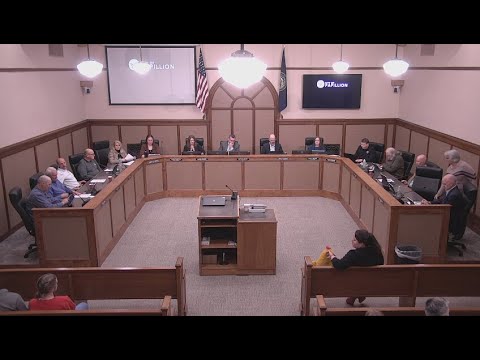
Councilman Mungard used the council-comment period on April 15 to warn that state incentive programs that rebate local option sales tax to private businesses may be eroding Papillion’s sales-tax base and shifting pressure onto property taxes.
Mungard said he shared a 20-page letter from State Auditor Mike Foley with the council and public and referenced reporting in the Nebraska Examiner. He said the auditor’s analysis shows long-term revenue impacts from state incentive agreements, including rebates that can return locally approved sales-tax revenues to private entities, and urged awareness of potential multi‑year budget shortfalls caused by unclaimed or later-claimed incentives.
“Part of that incentive package is a rebate of the local option sales tax, even the portion that was voter approved for a specific purpose,” Mungard said in the meeting. He noted that when the state signs an agreement to rebate a business’s local sales tax, the city ultimately loses revenue, including locally voter-approved portions dedicated to parks and recreation and other projects. Mungard said the city is in a period with reduced sales-tax receipts and that Papillion has become more dependent on property tax revenue.
He said he sent a note of thanks to Auditor Foley for the education and that the League of Municipalities signaled willingness to work with the legislature on the issue. No formal council action was taken at the meeting on state incentives; Mungard presented the information during council comments and encouraged continued engagement with state legislators and the auditor’s office on the subject.