Get Full Government Meeting Transcripts, Videos, & Alerts Forever!
Get email alerts on the Building Code Update topic
No spam. Unsubscribe anytime.
Consultant outlines plan to update Campton Hills building code to 2024 standard; trustees ask for formal agenda review
Summary
A consultant proposed updating the village building code from the 2012 to the 2024 model code, recommended an October 1 effective date to avoid disrupting ongoing projects, and said single-family sprinkler requirements would not change; trustees asked that the item be placed on a future agenda with documents supplied in advance.
A consultant engaged by the village described a plan to update Campton Hills's local building code to the 2024 model codes and to adopt clarified local amendments, telling trustees the change would bring the village into compliance with recent state law and modern safety standards.
Seth Summer, who identified himself as working for Fire Safety Consultants, said Illinois law requires municipalities to be on the 2018 version of the codes or newer and that Campton Hills was still operating under its 2012 code. He proposed adopting the 2024 codes and said the update would allow the village to remain current for multiple code cycles, reduce legal exposure by clarifying enforcement language, and keep permit fees at their existing levels apart from the consultant's fees.
Summer said one major local amendment the consultant drafted would keep the village's existing policy that single-family homes are not required to be sprinklered, a change many communities debate. He recommended an effective date of Oct. 1 to avoid requiring projects already designed under the existing code to be redesigned, and offered to post guidance and updated forms on the village website to notify builders and designers.
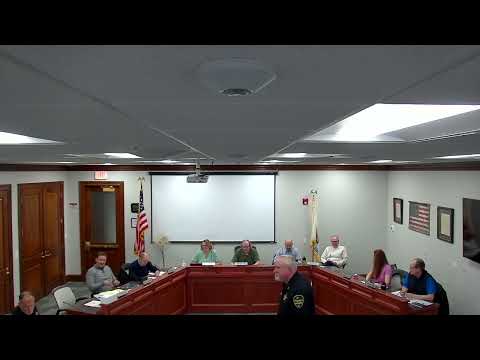
Several trustees raised procedural concerns because the discussion occurred under public comment rather than as a noticed agenda item; one trustee said the issue had been on a prior agenda and then removed. Trustees requested that staff place the proposal on a future meeting agenda, circulate the consultant's draft amendments in advance, and treat the presentation as the introduction of a process rather than final action.
Summer said adoption of the code itself would not create an immediate additional cost to the village beyond consultant fees and that staff would work with the village to update permit application forms and online resources. The board agreed to schedule further discussion and a more formal review at a subsequent meeting.