Lifetime Citizen Portal Access — AI Briefings, Alerts & Unlimited Follows
Planning commission recommends zoning code tweaks to implement Moraga housing element; forwards ordinance to council
Loading...
Summary
The commission voted to recommend to the Town Council a package of Municipal Code amendments implementing parts of the 2023–2031 Housing Element, including carryover‑site rules, new definitions (co‑housing, live‑work), manufactured‑home and group‑home clarifications, parking adjustments, and other state‑required updates. The vote was 5‑1.
The Moraga Planning Commission on April 15 voted to recommend that the Town Council adopt a set of amendments to the Moraga Municipal Code implementing the town’s 2023–2031 Housing Element. The changes cover a range of items required by state law and by the housing element’s implementation program, including definitions for co‑housing and live‑work, rules for carryover sites, clarifications on manufactured and group homes, allowances for low‑barrier navigation centers, and revised multifamily parking rules.
Barry Miller, the town’s planning consultant on the housing element, told the commission the package is intended to remove regulatory constraints the state identified and to codify state requirements. Several items were described as mandatory under recent state law, including provisions for “carryover sites” (sites listed in multiple consecutive housing elements) to be eligible for by‑right development when a project includes a lower‑income set‑aside (AB 1397 was cited); clarifications that small residential care facilities (six or fewer residents) must be permitted where residential use is allowed; and updates to emergency shelter and navigation‑center regulations to match state statutes (including AB 101 and other recent bills named during the presentation).
On parking, staff proposed lowering the required off‑street parking for studio and one‑bedroom units to one space per unit in mixed‑use zones and the R6 and R12 districts, and adjusting guest parking ratios (one guest space per 2–4‑unit building and one space per 4 units thereafter, rounded up). The proposed changes also align senior and assisted‑living parking with recent state maximums and allow for a 20% parking reduction when a car‑share vehicle is provided for each 25 units. Miller said the amendments are intended to remove the Municipal Code as a constraint on housing production and to align Moraga with neighboring jurisdictions and state law.
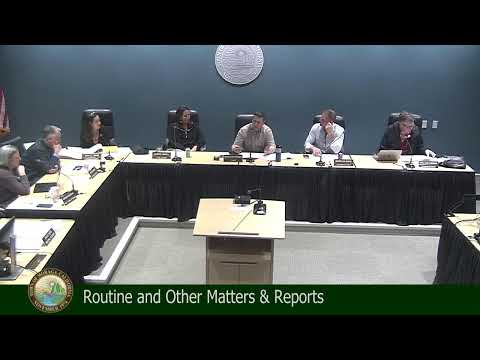
During the public hearing the item drew no extended public comment. Commissioners asked clarifying questions about mapping of the R20/24 and mixed‑use districts, how proposed parking changes would interact with density‑bonus projects, and whether the municipal code language on fabricated home standards points to building‑permit code enforcement (staff answered that building code and permit review control many material and safety standards). Commissioner Weber cast the lone dissenting vote; the measure passed 5‑1 with one commissioner absent. The commission’s resolution includes findings that the amendments are consistent with the general plan and public welfare and that the amendments are statutorily required in several respects.
Why it matters: The changes are implementation steps required under state housing law and the town’s adopted housing element. They alter which housing types must be permitted by right or by the municipal code and reduce or reshape some parking requirements — items that can affect the feasibility of multifamily and affordable housing projects.
What’s next: The commission recommended that the Town Council adopt the ordinance; the consultant said the ordinance is scheduled for Council consideration on May 14, and that, if adopted, the amendments would go into effect roughly a month after Council adoption. Additional housing‑element implementation actions (scenic corridor and planned‑district regulations, a revised density‑bonus ordinance) were flagged as forthcoming.