Get Full Government Meeting Transcripts, Videos, & Alerts Forever!
Get email alerts on the Infrastructure And Transportation topic
No spam. Unsubscribe anytime.
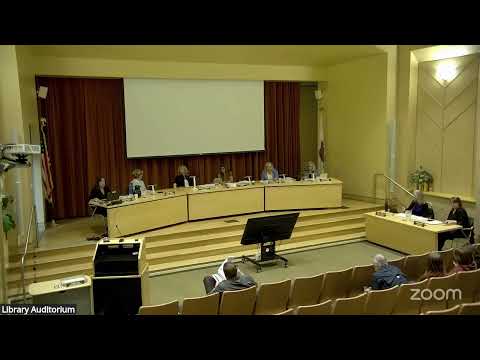
City staff previews capital improvement plan update; council flags Wilder path, ADA and midblock safety studies
Summary
City staff previewed the Capital Improvement Plan for fiscal years 2025–2030 on April 15, highlighting completed drainage and pathway projects, several grant awards for road safety, and a proposed $500,000 preliminary study for a Wilder-to-downtown multiuse path estimated at a $21 million construction cost at planning level.
City staff provided a preliminary update to Orinda’s Capital Improvement Plan (CIP) for the FY 2025–2030 cycle on April 15 and sought council direction on several large and grant-linked projects, including a proposed Wilder-to-downtown multiuse path, a slate of Highway Safety Improvement Program (HSIP) projects, and smaller recurring paving and storm-drain efforts.
Staff told council the city closed several projects this year, including a San Pablo Creek culvert replacement and Camino Pablo pathway work funded in part with Transportation Development Act (TDA) funds. Underway items include library HVAC improvements, facility painting and annual paving. Staff also reported a successful HSIP grant award of about $1.1 million for a package of road-safety projects; those grants carry a local match requirement and staff recommended using capital funds to meet the match.
Two larger items drew the most council attention:
- Wilder multiuse path: staff said initial technical work and an MTC technical-assistance grant produced alignments and an estimated planning-level cost of roughly $21 million. Staff proposed a $500,000 appropriation from capital funds to perform preliminary project work so the city could position itself to seek major grant funding. Several councilmembers questioned the likelihood of securing funding at that scale and urged staff to defer or re-scope the work if grants appear unlikely.
- Moraga Way and evacuation/contraflow possibilities: councilmembers emphasized the importance of improving alternate evacuation routes and pedestrian connections and asked staff to prioritize project elements that advance evacuation access. Separately staff said the city had received a Safe Streets for All grant for crossing improvements and would coordinate with the county transportation authority (CCTA) for implementation; some projects have local match requirements.
Council also discussed a midblock crossing and speed-limit study conducted with regional partners through CCTA. Staff noted that joining the regional application helped the city secure grant funding and that the study will inventory city hotspots and recommend possible midblock crosswalk locations and other calming measures.
Why it matters: CIP priorities determine which infrastructure projects the city advances, and several key items require upfront study and local match funds before the city becomes competitive for major state or federal grants. Council members asked staff to return with clearer phasing and to document which park and drainage elements are failing (requiring repair) versus those that are improvements.
What’s next: staff will revise the draft CIP to reflect council input, provide more detailed cost and funding-source breakdowns, and return to council for adoption in June. For projects where preliminary funding is requested (for example, Wilder path scoping), staff will provide a tighter justification for the requested preparatory funding and alternatives if grants do not materialize.