Get Full Government Meeting Transcripts, Videos, & Alerts Forever!
Get email alerts on the Parks And Recreation topic
No spam. Unsubscribe anytime.
Council reviews community park master plan: ADA access, playground consolidation and band shell discussed
Summary
Councilmembers reviewed concept plans for the Community Park master plan that would combine play areas, upgrade restrooms, and replace the gazebo with a more flexible band shell. Staff emphasized ADA triggers that expand work scope and urged phased planning; council requested prioritization and grant-funding pursuit.
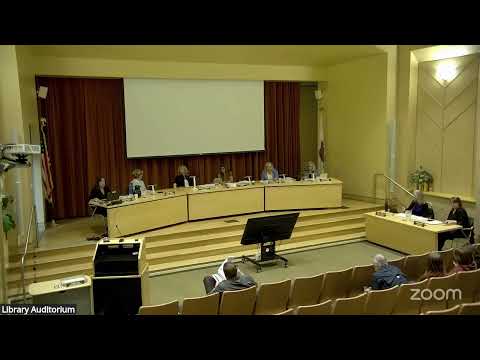
The City Council reviewed conceptual designs for Orinda’s Community Park master plan on April 15, with a focus on accessibility upgrades, consolidation of the park’s two playgrounds into an inclusive play area, and the potential replacement of the existing gazebo with a small band shell or amphitheater.
Todd Trimble, Parks and Recreation Director, summarized the primary elements staff and consultants propose: renovate the existing restroom and add a drinking fountain and bottle filler; create a single, all-abilities inclusive playground by consolidating the younger and older play areas; convert the current gazebo into a flexible performance shell and relocate reservable picnic facilities; and add exercise equipment and improved circulation paths. Staff emphasized that accessibility requirements triggered by touching the restroom or other elements expand the project scope: county reviewers told staff the park must have accessible routes from an accessible parking area and that improvements to playground surfacing and paths may be required when components are replaced.
Staff and the council discussed practical trade-offs. Accessibility fixes focus on three park entrances (sidewalks and slopes) and providing one compliant parking space; Ramp designs already produced required additional coordination with right-of-way dimensions, and staff said they are evaluating alternative access points so a full switchback and angled parking change would not create new hazards. Trimble and staff noted that the full conceptual scope had a planning-level estimate of about $5 million covering playground replacement, a band shell, restroom upgrades and landscape/irrigation and path work; staff suggested phasing work and aggressively pursuing outside grants for elements such as an inclusive playground.
Council members said they supported prioritizing ADA compliance and safer park access, and several urged staged implementation tied to available grants and fundraising. Council member Iverson said ADA and inclusive-play upgrades should be the first priority; Council member Riley noted the difficulty of funding a $5 million plan without outside sources and suggested staging work to match grants and fundraising. Council member G asked staff to document which elements are failing and which are upgrades to guide priorities.
Why it matters: replacing play surfaces and adding accessible routes triggers regulatory requirements and can substantially change project cost and phasing. The park is well used by families and hosts seasonal concerts and events; the design choices will affect maintenance needs, reservable space availability and evacuation access.
What’s next: staff will revisit the conceptual phasing, seek grant opportunities for inclusive-play equipment, clarify ADA-requirement impacts, and return with a prioritized, phased plan and more detailed cost breakdowns for council review.