Get Full Government Meeting Transcripts, Videos, & Alerts Forever!
Get email alerts on the Schools Budget topic
No spam. Unsubscribe anytime.
Houston County Schools present tight budget; commissioners weigh one-time help to meet state requirement
Summary
School officials told the county that the school system’s general-purpose fund balance is below state/comptroller expectations and is roughly $370,000 short of the level needed for a conditional approval; they discussed options including a county purchase of a school bus or buying land to reduce school expenditures.
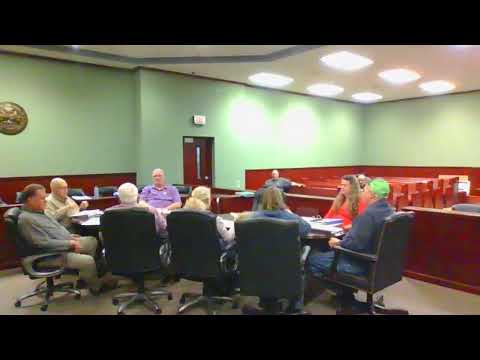
Scott Miller, Houston County director of schools, told the county commission that the school district’s proposed fiscal 2026 budget is tighter than in prior years and currently falls short of the comptroller and Department of Education targets.
Miller said the district cut about $545,000 in proposed expenditures compared with last year and moved cafeteria operations into a separate fund. Still, the district remains about $370,000 shy of the percentage target the state comptroller set after a conditional approval last year. The schools expect to continue engaging with the comptroller and the Tennessee Department of Education as the budget progresses.
The shortfall is the reason the district and commissioners discussed options that would reduce the district’s reported expenditures for maintenance-of-effort calculations. Miller said a school bus purchase normally counted as a capital expense that some counties fund outside the district’s operating budget; he estimated a replacement bus would cost about $140,000. Commissioners discussed whether the county could buy a bus for the district or could buy back five acres of school-owned land to reduce the district’s loan payments and therefore lower its operating expenditures.
Miller also outlined a planned K–12 science textbook adoption that raised the district’s spending this year; he said the adoption was quoted at about $203,000. He noted state requirements for minimum salaries (he said first-year teacher pay is required to be $50,000 in the schedule presented) and described recent federal and state grant receipts that helped the district avoid larger gaps last year.
Commissioners and school officials discussed timing and consequences: if the department of education or comptroller does not approve the budget as submitted, the county’s budget could also be affected. Several commissioners urged the schools to submit the approved budget to the Department of Education and then report back quickly if state review returns a conditional or negative finding.
The school board had approved the budget before tonight’s discussion, Miller said. Commissioners asked the school staff to return with concrete numbers on possible county purchases (bus cost, effect of buying back land) ahead of the commission’s next meeting so the commission can consider short-term, one-time measures to improve the maintenance-of-effort percentage.
Miller said the district is tracking enrollment growth related to local development; he warned that state funding for additional students typically follows with a lag of a year. He said the district is attempting to hold spending to a bare-bones level while sustaining classroom staffing and required services.