Lifetime Citizen Portal Access — AI Briefings, Alerts & Unlimited Follows
Gary Hawk: Book of Job teaches endurance, surrender and empathy, lecturer says
Loading...
Summary
Gary Hawk, a Davidson Honors College lecturer, told an Alumni Association audience in Missoula that the Book of Job is used in the college's "Ways of Knowing" curriculum to show how suffering can be endured, reframed and made a source of empathic connection to others.
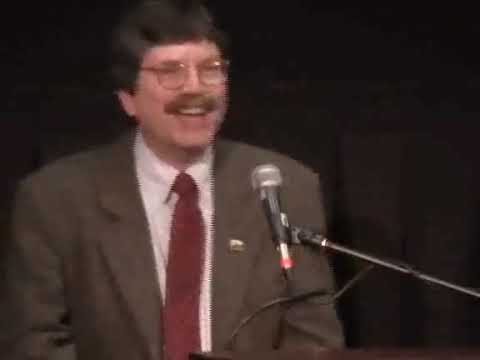
Gary Hawk, a lecturer in the Davidson Honors College at the University of Montana, told an audience at the University of Montana Alumni Association Community Lecture Series in Missoula that the Book of Job helps readers endure suffering by moving beyond self-centered explanations and toward a wider moral imagination.
Hawk, speaking for roughly an hour and a half in a lecture titled "Starlight on Suffering and its Transcendence in the Book of Job," said the text is central to the Honors College's "Ways of Knowing" course because it forces readers to confront the limits of simple answers to suffering. "I am a man of faith," Hawk said during his prepared remarks, adding that faith for him remains "a bride married to amazement." He argued that Job's persistence in addressing God 'even angrily or accusingly'is itself a form of faith: "Job keeps God on the ropes, locks God in the dock," Hawk said.
Hawk summarized the biblical book's structure and drama: short prose frames surrounding long poetic exchanges in which Job and his three friends (Eliphaz, Bildad and Zophar) argue about reasons for suffering. Hawk said the friends' explanations'that suffering is punishment or the product of some hidden guilt'often compound the sufferer's pain rather than relieve it. When the divine response comes in the whirlwind, Hawk said, the rhetoric shifts from first-person self-focus to a second-person account of cosmic scale, which "throws Job out of himself" and enables a form of surrender that is not mere submission but an awakened perspective.
Hawk used personal and contemporary examples to illustrate his points: a kayak trip he took near the anniversary of his father's death, the image of "starlight on stone" in a Baghdad mosque after an explosion, and broader tragedies such as climate-related losses to Indigenous communities. He said those images and experiences do not erase pain but can place it in a wider context and reduce the isolating narcissism that suffering can produce.
In a question-and-answer period, Hawk told the audience that instructors aim to connect the text to students' lived experience. He said many students have not previously read Job and that some who encounter it at 18 or 19 will understand it differently later in life. On teaching methods, he said he seeks to "believe in" students' experiences and to create classroom moments where students can link personal narrative to the text. Hawk also emphasized accompaniment and presence in pastoral and pedagogical settings, recounting a memory of quietly warming a blanket for an ill musician and describing that silent presence as meaningful comfort.
Audience members raised familiar tensions about theodicy, the value of suffering and whether suffering can or should be minimized. Hawk said he would not tell a suffering person that pain always brings growth; instead he argued for the importance of bearing witness and, when possible, protecting people from avoidable harm while also helping them integrate painful experience into their life narrative.
Linda Jillison, identified in the program as the series moderator, and Dean James McKusick of the Davidson Honors College appeared earlier in the program to place the lecture in the context of the "Ways of Knowing" series. McKusick said the course is required for Honors College freshmen and that the lecture series draws on that curriculum.
The Alumni Association series continues with additional lectures tied to the Davidson Honors College course; Hawk and other lecturers will return for a panel discussion at the final evening of the series, organizers said.