Get Full Government Meeting Transcripts, Videos, & Alerts Forever!
Malibu council hears wide-ranging public debate on sewers, seawalls and limits on self‑certification
Summary
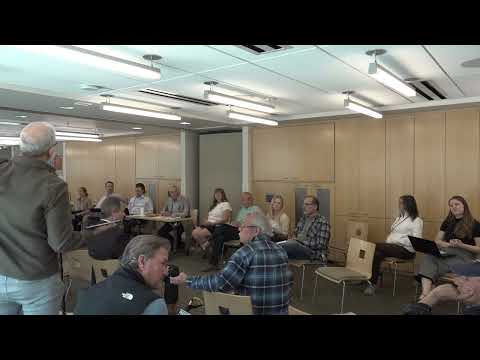
Malibu City Council met in a special session to discuss possible sewer expansions, geotechnical review requirements and the role of self‑certification in rebuilding fire‑destroyed homes along the city’s beachfronts.
Malibu City Council met in a special session to discuss possible sewer expansions, geotechnical review requirements and the role of self‑certification in rebuilding fire‑destroyed homes along the city’s beachfronts.
The council heard detailed technical and policy testimony from engineers, architects and dozens of residents about options including extending wastewater lines to the Civic Center plant, building dedicated package plants, routing flows to Hyperion (Los Angeles), or installing an ocean outfall. City staff was directed to return with cost, schedule and permitting analyses limited to the burn‑area beachfront properties so the council can make a go/no‑go decision.
Why it matters: Council members and many speakers framed the choices as urgent for homeowners who must decide whether to rebuild while permits and insurance remain unresolved. Speakers also warned that sewer work could change development pressures on the coast and that seawall construction — required in many rebuild scenarios — is expensive and raises coastal public‑trust and habitat issues.
City staff summary and options City Infrastructure Manager Robert Butler (staff member) gave an overview of existing capacity and technical paths. “We have a functioning wastewater plant on Civic Center Way. It’s currently designed to treat about 92,000 gallons per day,” Butler said, adding that the plant was built to be expanded and that the city currently disposes treated effluent through injection wells behind the Ralphs shopping center. Butler told the council the plant’s ultimate design capacity can reach roughly 500,000 gallons per day and that extending service to Pacific Coast Highway (PCH) properties could be done by piping and pumping flows to the Civic Center plant, connecting to Hyperion in Los Angeles, building smaller decentralized package plants, or — less commonly discussed — constructing a…
Already have an account? Log in
Subscribe to keep reading
Unlock the rest of this article — and every article on Citizen Portal.
- Unlimited articles
- AI-powered breakdowns of topics, speakers, decisions, and budgets
- Instant alerts when your location has a new meeting
- Follow topics and more locations
- 1,000 AI Insights / month, plus AI Chat