Get Full Government Meeting Transcripts, Videos, & Alerts Forever!
Get email alerts on the Zoning topic
No spam. Unsubscribe anytime.
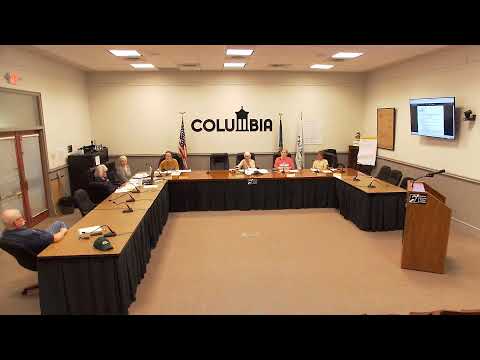
Columbia planning commissioners recommend zoning changes to regulate smoke shops, dispensaries, tattoos and data centers
Summary
The Columbia Planning Commission recommended updates to the borough zoning code to add marijuana dispensaries, tattoo and body‑piercing uses, and a new data center definition; commissioners also discussed defining and limiting "smoke/vape" shops and using existing adult‑use buffers to keep such businesses away from schools.
Columbia Planning Commission members recommended changes to the borough's zoning code to add marijuana dispensaries to light business, light industrial and general industrial districts; to place tattoo and body‑piercing uses in the highway commercial district; and to add a definition for data centers to the permitted‑uses tables.
The commission's recommendation, presented during the meeting, asked that definitions for dispensaries be taken from “ordinance 885” and definitions for tattoo and body piercing be taken from “ordinance 796.” Speaker 2, a staff member, summarized the package: “We are recommending the changes to the tables of committed uses as we worked out at [the] March 20 meeting. We are also recommending that marijuana dispensary be added to the light business, light industrial, general industrial, and the definitions from ordinance 885 be added to the zoning ordinance. We are recommending that tattoo and body piercing be placed in the highway commercial. The definitions be taken from ordinance 796.”
Why it matters: commissioners said the updates are intended to close gaps that have allowed businesses that principally sell tobacco products, paraphernalia and related items to open in residential and downtown areas where they may not fit the character of the neighborhood. Several speakers urged adding a stand‑alone definition for “smoke shop” or “vape shop” and making smoke/vape shops subject to the borough’s adult‑use buffer rules so they cannot locate within 1,000 linear feet of primary or secondary schools, places of worship or day‑care centers.
Discussion details: a participant identified as Speaker 4 offered a draft definition of smoke shop during the discussion: “Smoke shop is a business where the principal use is selling tobacco products,” and urged that tobacco paraphernalia and vape products be included in a revised adult‑use definition. Commissioners noted that many existing smoke shops are effectively selling paraphernalia and delta‑8 or similar products that staff and commissioners consider problematic or ambiguously legal.
Commissioners and staff discussed enforcement and limits. The group observed that state law (referred to in the meeting as “Act 112” and as the 2021 change raising the minimum purchase age) prohibits sales to underage purchasers but does not necessarily prevent minors from entering stores. The commission asked the borough solicitor to advise whether the zoning ordinance could require an age‑restricted principal use or otherwise restrict locations for smoke/vape shops. Commissioners also discussed special‑exception language as a tool: making certain uses permissible only after a special‑exception hearing would send proposals to zoning so the borough could attach conditions or deny inappropriate locations.
Other items: the commission recommended adding a data‑center definition (credited to a suggestion from “Justin” in the transcript) and placing data centers in the light business, light industrial and general industrial districts. The group directed staff to work with the solicitor and then forward the drafted ordinance language to borough council and county planning for review.
Next steps and timeline: staff said the draft ordinance is being prepared for solicitor review and then will be circulated to council and county planning; commissioners discussed a probable June–July review timeline. No formal vote was recorded on the record segment provided; the discussion concluded with commissioners agreeing to send the recommended text forward for legal review and council consideration.
Ending: Commissioners emphasized that the borough needs proactive model language so towns do not remain reactive to new commercial trends. They asked staff and the solicitor to return with revised ordinance text and definitions for council consideration.