Get Full Government Meeting Transcripts, Videos, & Alerts Forever!
Get email alerts on the Sunshine And Public Records topic
No spam. Unsubscribe anytime.
Martin County attorneys train oversight panel on Sunshine, ethics and public‑records obligations
Summary
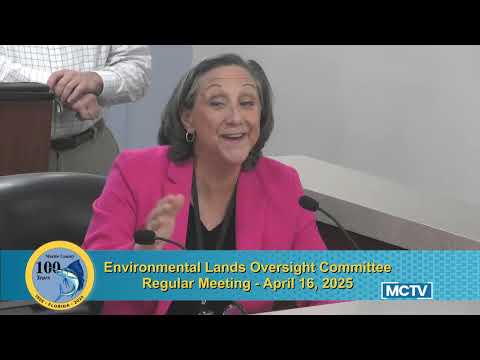
At the first Environmental Lands Oversight Committee meeting, County Attorney Sarah Woods reviewed Florida’s Sunshine Law and ethics rules and records administrator Sangeeta Maragh (Mirage) led public‑records training, including retention, transfer and criminal/civil consequences for violations.
Sarah Woods, Martin County attorney, and Sangeeta Maragh, the county records administrator, provided mandatory trainings to the newly formed Environmental Lands Oversight Committee on government‑in‑the‑sunshine requirements, conflicts of interest and public‑records obligations.
Woods opened with the Sunshine Law basics: meetings of public boards and commissions must be held openly in ADA‑accessible public facilities; reasonable notice is required; minutes must be taken and recorded; and deliberations about matters that may foreseeably come before the board cannot occur outside a public meeting. She warned committee members against serial discussions by telephone, email, text or social media and said the prohibition covers communications during a recess or otherwise outside a noticed meeting. Woods advised members to consult the county attorney’s office when in doubt about meeting‑law issues.
Woods also reviewed the Florida code of ethics and the statute governing conflicts of interest. She said Florida law prohibits soliciting or accepting compensation predicated on a particular official action and bars voting on measures that would “inure to your special private gain or loss” or that of family members or employers. Woods directed members to identify potential conflicts in advance, file the required statutory form and abstain from voting when a conflict exists; she recommended that, if a conflict is present, a member should refrain from participating in the discussion as well as voting.
Sangeeta Maragh led the public‑records presentation. She said any record made in connection with official county business is a public record regardless of form or location — including emails, texts, social‑media posts, voicemails, photographs, screen captures and records stored on personal devices. Maragh told members they are the custodians of any public records they receive or create in connection with board duties and that, under section 119.0214(b) of the Florida Statutes and related provisions, they must preserve and transfer those records to the county. She said members will receive a county email address and that any board business should be conducted using that address when possible. If a constituent sends material to a personal account, members should forward it to the county contact, copy the county liaison and then delete the personal copy.
Maragh outlined practical steps: forward responsive emails to the county contact; screenshot and forward text messages or social‑media posts and then delete them; and, upon leaving the committee, transfer remaining public records to the county within 10 days using the exit public‑records form. She distinguished transitory messages and personal notes (which may be disposed of) from records that formalize or perpetuate county business (which must be retained). Maragh cited two court examples discussed in training where courts found social‑media posts or text messages to be public records and ordered production during litigation.
Woods and Maragh stressed enforcement risks: willful refusal to comply with public‑records laws can expose the county to civil liability for attorney fees, and individual members could face civil or criminal consequences in some circumstances, including a misdemeanor punishable by up to a year in jail, fines or removal from a board. Woods and Maragh provided county contacts for questions and noted staff will distribute the county public‑records policy and an acknowledgment form for members to sign.
Why it matters: committee members will decide which properties to prioritize and recommend public expenditures; the trainings clarified how members must conduct deliberations, document decisions and preserve records in order to comply with Florida law and the county’s procedures.
Ending
Both trainings concluded with an offer of follow‑up from the county attorney’s office and records staff; members were asked to complete and return the county acknowledgment forms and to use county email for official business.