Get Full Government Meeting Transcripts, Videos, & Alerts Forever!
Get email alerts on the Child Welfare topic
No spam. Unsubscribe anytime.
Appeals court hears challenge to termination of parental rights after contested suspension of visitation
Summary
A mother appealed the termination of her parental rights, arguing that a prior suspension and later termination of visitation prejudiced her ability to address the children’s needs at trial and that the judge relied on off‑the‑record comments in reaching a final decision.
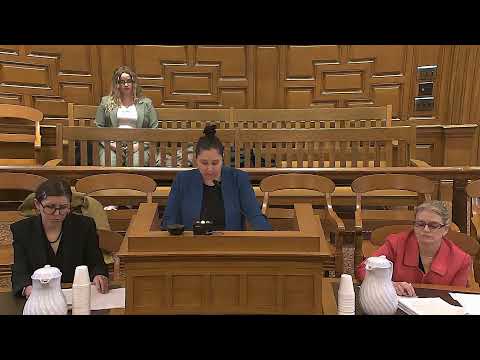
The Appeals Court heard argument in a child‑welfare appeal where a mother seeks reversal of a judge’s termination of parental rights, contending the court improperly relied on findings after a prior suspension‑of‑visitation hearing and that the absence of ongoing visitation prejudiced the mother’s case at the ultimate merits trial.
Counsel for the mother told the panel that the trial judge made off‑the‑record, contemporaneous comments after the visitation hearing—calling the quality of evidence “horrible” and characterizing the visiting therapist’s testimony as akin to that of “a therapist in training”—and then, about a week later, issued a written termination decision that, in mother’s view, conflated the two children and failed to make child‑specific factual findings. Counsel said the department suspended visits without an immediate court order for a period, and that the suspension and later termination of visitation deprived the mother of opportunities to address the children’s reactions and demonstrate progress.
The Department of Children and Families (DCF) and the children’s counsel urged the panel to affirm. DCF counsel summarized years of involvement: initial removal in 2018 tied to the mother’s substance use (including cocaine/crack), intermittent engagement in treatment, later concerns about alcohol use and police‑observed intoxication, and repeated behavioral incidents in which children displayed trauma‑related symptoms at or following visits. Children’s counsel said the twins have significant emotional and behavioral needs, are in a placement that meets those needs and have expressed a preference for adoption by their current caretakers.
The justices asked questions about remedy: whether any error in the suspension proceeding or delay in visitation undermined the termination decision, and whether the proper remedy would be a new trial, reinstatement of visitation, or no relief if the record shows unfitness and adoption is in the children’s best interest. Counsel for the mother asked the court to vacate the termination and remand for fresh consideration and services; DCF and children’s counsel urged affirmance, stressing the extensive findings of unfitness and the children’s current stability in placement.
The case was submitted.