Get Full Government Meeting Transcripts, Videos, & Alerts Forever!
Get email alerts on the Consumer Protection topic
No spam. Unsubscribe anytime.
Appeals court weighs scope of insurer liability as counsel disputes overlap of negligence, breach and 176D claims
Summary
In Vento v. Vermont Mutual, counsel argued whether negligence and breach‑of‑contract counts should be dismissed because Chapter 176D and G.L. c.93A provide the exclusive remedy for certain insurer conduct; parties debated whether a first‑party insured may pursue a separate negligence claim.
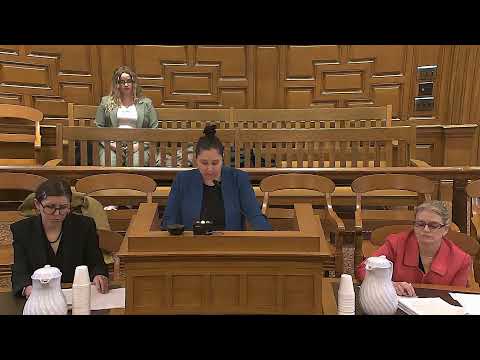
The Appeals Court heard argument in Bento (Vento) v. Vermont Mutual about the relationship between a first‑party insured’s claims for negligence and breach of contract and statutory claims under G.L. c.176D and c.93A. The insurer moved below to dismiss the negligence and contract counts as duplicative of the 176D statutory remedy; the trial judge later allowed 176D and 93A claims but dismissed the negligence and breach claims sua sponte at a pretrial conference.
Counsel for the insured, Gregory Koldis, argued dismissal of the contract and negligence counts deprived the insured of jury consideration of potentially distinct theories—e.g., an implied covenant of good faith and other contract‑based duties—that he said were not fully subsumed by the statutory cause of action. Koldis said trial instructions tying specific insurer conduct (e.g., failure to settle, unreasonable delay) to statutory liability could coexist with a breach or negligence theory and that the jury should have the opportunity to decide all claims.
William Monahan, representing Vermont Mutual, urged deference to the trial court’s stepwise record and contended the complaint’s factual allegations mirror the statutory categories in section 9 of c.176D; he said Massachusetts law does not clearly support a separate negligence tort for first‑party insureds where the statutory framework exists and that procedural posture and prior filings supported dismissal.
The justices questioned how a retrial would differ materially from the jury’s prior consideration under 176D and asked whether the judge’s instructions already required proof linking insurer conduct to loss causation and damages. Counsel acknowledged federal and out‑of‑state authorities draw distinctions for excess/primary insurer disputes (Hartford‑style analysis) but said Massachusetts appeals courts had not definitively resolved the contours of first‑party negligence claims against insurers.
The court took the arguments under advisement.