Get Full Government Meeting Transcripts, Videos, & Alerts Forever!
Get email alerts on the Family Criminal Intersections topic
No spam. Unsubscribe anytime.
Appeals court hears challenge to bench verdict where judge relied on testimony of young witness with learning issues
Summary
In Commonwealth v. Benitez, defense argued that a bench verdict rested improperly on the testimony of an 11‑year‑old recounting events from age five and that the court lacked expert guidance on the child's learning disability; Commonwealth and judges disputed whether the record preserved competency challenges.
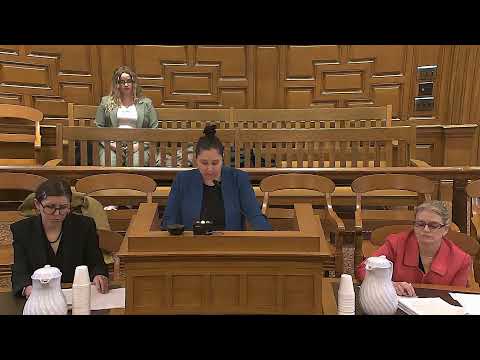
The Appeals Court heard argument in Commonwealth v. Benitez over whether a judge’s bench verdict should be set aside because it relied on testimony from a child witness whose learning disability and inconsistent statements, defense counsel argued, required expert examination or a competency colloquy.
Tom Schack, representing William Benitez, told the panel the trial judge relied heavily on an 11‑year‑old’s testimony about events years earlier when she was about five. Schack said the judge’s written findings acknowledged the child’s learning disabilities and inconsistent answers and that the prosecution elicited testimony—on redirect—indicating the child had learning disabilities but “not dyslexia,” a description Schack said amounted to an unexamined, nonspecific expert assertion that prejudiced the defense.
Assistant District Attorney Donna Marie Harron, representing the Commonwealth, said the defendant opened the line of inquiry by asking about the child’s school performance and repeating a grade, and that the prosecution’s redirect clarification was permissible. Harron asked the court to follow Lamontagne and related precedent addressing a judge’s discretion not to conduct a competency colloquy sua sponte where no objection was made below.
The justices pressed both sides about whether the issue was preserved for appeal, whether a judge must initiate a competency hearing absent a timely objection, and whether the bench trial record supported remand under Rule 4. The case was submitted for decision.