Get Full Government Meeting Transcripts, Videos, & Alerts Forever!
Get email alerts on the School Facilities Master Plan topic
No spam. Unsubscribe anytime.
Two architecture firms pitch master-planning and referendum support to Central CUSD 301
Summary
FGM Architects and Wold presented competing master-planning approaches to the Central CUSD 301 board, emphasizing community engagement, facility assessments and referendum support; no selection or formal decision was made.
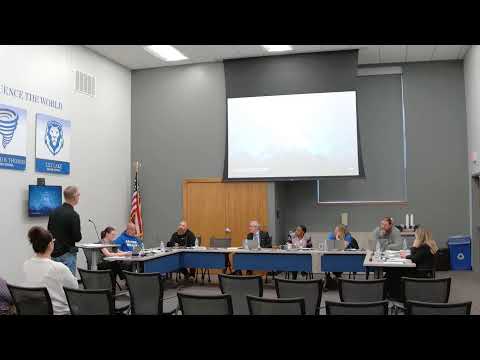
FGM Architects and Wold each gave presentations to the Central CUSD 301 Board of Education on the district's facility-planning needs, master-planning timelines and referendum support.
FGM Architects’ principal Jim Woods told the board the firm would lead master planning, programming and referendum-support services and recommended the district use an independent referendum consultant to run polling and public relations rather than have the architect lead that outreach. “We think strongly that having architect out there as the leader in the community telling people this is the right thing... is very self serving,” Woods said. FGM emphasized a five-step process that centers research, community engagement and options development and cited past local work in Geneva and Sycamore.
Wold partner Dan Bridal said his firm would focus on fact-finding and heavy community engagement, with an educational alignment assessment and capacity analysis to inform options. Allison Andrews, Wold’s educational programmer, described involving building leadership teams, teachers and students in identifying needs and prioritizing projects. Mechanical engineer Matt Burton noted the firm’s experience with local districts and said the team would tailor timelines to community schedules.
Both firms described how they involve stakeholders: site committees at each school, broader community groups, and a district-level task force to synthesize input and recommend options to the administration and board. FGM described a compressed timeline possibility — “we can go very fast” — but recommended pacing community engagement to avoid meeting fatigue; Wold estimated a typical master-planning process at about nine months, with several months upfront for fact-finding.
Neither presentation produced a formal selection or vote. Board members asked about firm experience with grants, local projects and the firms’ shares of K–12 work; both firms said their teams are largely focused on K–12 projects and offered examples from nearby districts. The board did not take further action on architect selection during the meeting.