Get Full Government Meeting Transcripts, Videos, & Alerts Forever!
Get email alerts on the Housing Regional Strategy topic
No spam. Unsubscribe anytime.
Cape Cod Commission urges zoning changes, preapproved plans and incentives to boost year-round housing
Summary
The Cape Cod Commission presented its Regional Housing Strategy to the Barnstable County Assembly standing committee, urging local zoning changes, streamlined permitting through preapproved plans, financial incentives to convert short-term rentals and a permanent regional housing services office to support towns' housing efforts.
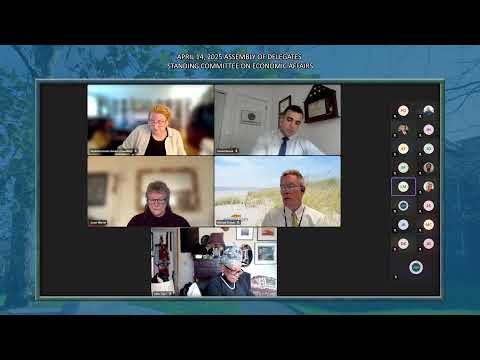
Christy Sanatore, executive director of the Cape Cod Commission, told the Barnstable County Assembly standing committee on economic affairs on April 14 that the commission's Regional Housing Strategy recommends several regional and municipal actions to expand year-round housing supply.
Sanatore said the strategy prioritizes redevelopment, coordination of housing and infrastructure, and protecting natural and cultural resources while increasing housing variety. "We understand that multifamily housing is a critical need across the region," she said, adding the plan promotes creating multifamily housing "where it's appropriate" and supporting the year-round population.
The commission highlighted several recommendations for county leadership. Sanatore cited zoning as a primary constraint: "Only 2% of the zoned land across the region allows for anything more than 2 units to be built by right," she said, and urged the county to act as a liaison to encourage local zoning changes.
The plan also recommends streamlining permitting, including a preapproved plans program the commission is developing. Sanatore said those preapproved building-design programs would aim to reduce discretionary decisions that delay projects and called for county support in facilitation and outreach as towns consider adopting them.
Financial incentives to convert and preserve year-round housing were another focus. Sanatore said the commission will study what incentives would encourage participation in programs such as deed restrictions for year-round occupancy and expects that incentives will vary by community.
Sanatore urged establishment of a permanent regional housing services office to provide technical assistance and to support towns in retaining and monitoring existing affordable units. "Barnstable County already plays a leadership role on this issue and through the HOME program," she said, and described the proposed office as a service to help towns with unit retention and technical needs.
She also identified regional home-sharing programs as a potential tool to help older residents age in place and provide affordable living options; she noted that past platforms had mixed success but said new models could be explored.
Committee members asked about applying preapproved plans in historic districts; Sanatore and Erin Perry, deputy director of the Cape Cod Commission, said the commission worked with a historic preservation specialist and that submitted preapproved plans would incorporate historic-district requirements when possible. "The plans will incorporate the requirements of historic districts," Perry said, while acknowledging processes may vary by community.
Sanatore and commissioners emphasized the need to coordinate county-level support with town-level implementation. She offered to return with more detailed materials as the committee's discussions evolve.
Ending: The commission's presentation framed the strategy as a regional framework with multiple implementation paths: county liaison and incentives, town-level zoning changes, streamlined permitting tools and a proposed regional services office. Sanatore said the commission will continue technical and outreach work and provide data and model materials to towns and county leaders as requested.